
DEVELOPMENT

DEVELOPMENT

🚀 From Idea to App Store: Complete Development Process Explained

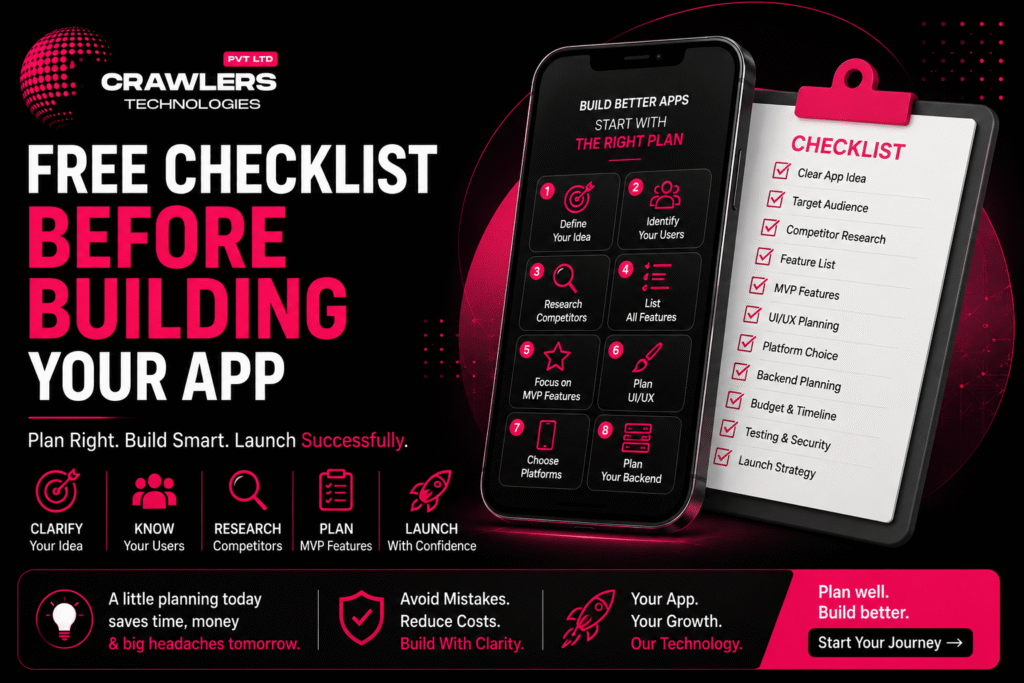
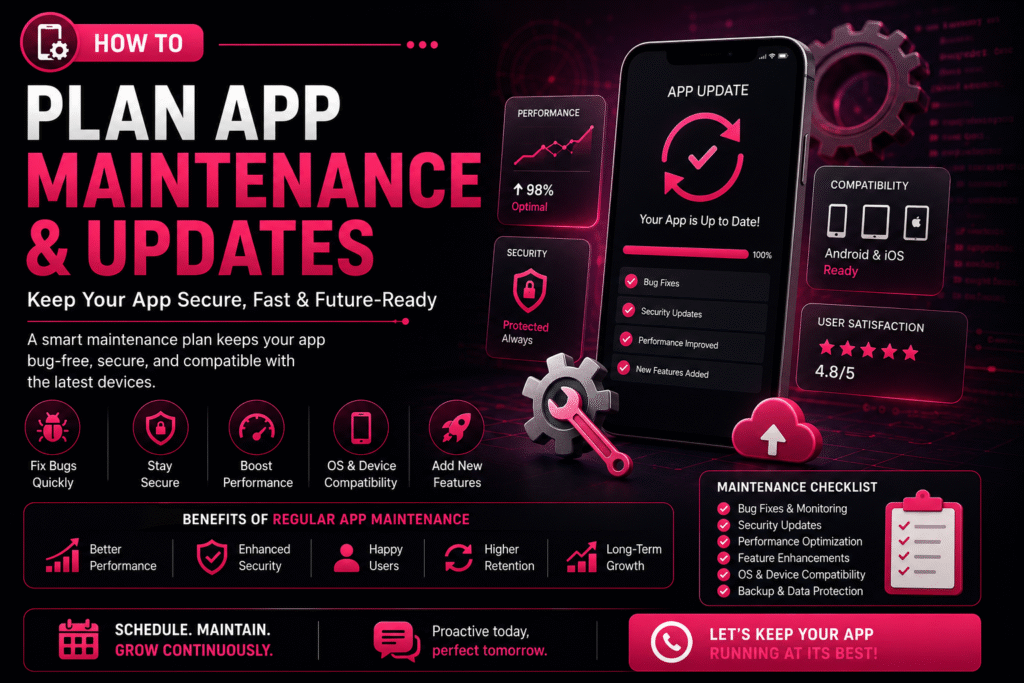
Turning an idea into a successful mobile app is an exciting journey — but it requires the right strategy, planning, and execution. Many businesses jump into development without understanding the full process, which leads to delays, cost overruns, or even project failure. In this blog, we’ll walk you through the complete mobile app development process, from idea to App Store launch. 💡 1. Idea & Problem Identification Every successful app starts with solving a real problem. Before anything else, ask: What problem does your app solve? Who are your target users? Why would people use your app? A strong idea with real value is the foundation of your app. 🔍 2. Market Research & Validation Before investing in development, validate your idea. This includes: Competitor analysis User surveys Studying market demand Identifying gaps in existing solutions Validation reduces risk and ensures your app has real demand. 📊 3. Feature Planning & MVP Strategy Instead of building a full app immediately, define your MVP (Minimum Viable Product). Focus on: Core features only Essential functionality User problem-solving This approach saves time and money while helping you launch faster. 🎨 4. UI/UX Design Design is critical for user engagement. This stage includes: Wireframes (basic layout) User flow planning Visual design Interactive prototypes A well-designed app improves usability and increases retention. ⚙️ 5. Technology Stack Selection Choosing the right technology is crucial. Options include: Android development iOS development Cross-platform frameworks (Flutter, React Native) The choice depends on your budget, timeline, and target audience. 👨‍💻 6. App Development This is the core stage where your app is built. It involves: Frontend development (UI) Backend development (server, database) API integrations Admin panel setup A structured development process ensures scalability and performance. 🧪 7. Testing & Quality Assurance Before launch, your app must be thoroughly tested. Testing includes: Functional testing Performance testing Security testing Device compatibility testing Proper QA ensures a smooth and bug-free user experience. 🚀 8. Deployment & App Store Submission Once testing is complete, your app is ready for launch. Steps include: Publishing on Google Play Store Submitting to Apple App Store Meeting store guidelines App review and approval Approval timelines may vary depending on the platform. 📢 9. Marketing & Launch Strategy Launching your app is just the beginning. You need a strong marketing plan: Social media promotion Paid ads Influencer marketing App Store Optimization (ASO) Marketing drives downloads and user engagement. 🔄 10. Maintenance & Updates Post-launch support is essential for long-term success. This includes: Bug fixes Performance improvements Feature updates Security enhancements Apps must evolve continuously to stay competitive. 📊 Development Timeline Overview Phase Duration Planning & Research 2–4 weeks Design 3–6 weeks Development 2–6 months Testing 2–4 weeks Launch 1–2 weeks 💡 Final Thoughts Building a mobile app is a step-by-step process that requires careful planning, execution, and continuous improvement. By following the right development process, you can: ✔ Reduce risks✔ Save costs✔ Build a scalable app✔ Deliver a great user experience From idea to App Store, every step matters. Submit your request Recent Post What Is Custom Software?

DEVELOPMENT

🚀 Step-by-Step Guide to Launching Your First Mobile App

Launching your first mobile app can be exciting — but also overwhelming. From idea to launch, there are multiple steps involved, and missing even one can affect your app’s success. This step-by-step guide will help you understand the complete process of building and launching a mobile app in 2026. 💡 Step 1: Define Your App Idea Every successful app starts with a clear idea. Ask yourself: What problem does your app solve? Who is your target audience? What makes your app unique? A strong idea is the foundation of your app. 📊 Step 2: Validate Your Idea Before investing money, test your idea. You can: Research competitors Talk to potential users Create a landing page Run small ad campaigns Validation ensures your idea has real market demand. 🧠 Step 3: Plan Features & Build an MVP Don’t try to build everything at once. Start with an MVP (Minimum Viable Product) that includes only core features. Benefits:✔ Faster development✔ Lower cost✔ Easier testing You can always add more features later. 🎨 Step 4: Design UI/UX Design plays a crucial role in user engagement. Focus on: Simple navigation Clean interface Fast user flow Mobile-friendly design A good design improves retention and conversions. 👨‍💻 Step 5: Choose the Right Development Approach Decide how you want to build your app: Android app iOS app Cross-platform app Your choice depends on your target audience, budget, and timeline. ⚙️ Step 6: Start Development This is where your app comes to life. Development includes: Frontend (user interface) Backend (server & database) API integrations Admin panel Work with a professional team to ensure quality and scalability. 🧪 Step 7: Test Your App Testing is critical before launch. Check for: Bugs and errors Performance issues Security vulnerabilities Device compatibility A well-tested app ensures smooth user experience. 🚀 Step 8: Launch Your App Now it’s time to go live! Steps include: Publishing on Google Play Store Submitting to Apple App Store Setting up servers Final optimizations Make sure your app meets all store guidelines. 📢 Step 9: Market Your App Launching is just the beginning. Promote your app using: Social media marketing Paid ads Influencer collaborations App Store Optimization (ASO) Marketing drives downloads and user engagement. 🔄 Step 10: Monitor & Improve After launch, track performance and improve continuously. Focus on: User feedback Analytics Feature updates Bug fixes Successful apps evolve based on user needs. 💡 Final Thoughts Launching a mobile app is a journey — not a one-time task. By following a structured approach, you can: ✔ Reduce risks✔ Save costs✔ Build a better product✔ Achieve long-term success Your first app doesn’t have to be perfect — it just needs to solve a real problem effectively. Submit your request Recent Post What Is Custom Software?

DEVELOPMENT

💡 How to Validate Your App Idea Before Investing ₹2L+

Building a mobile app requires a significant investment — often starting from ₹2 lakhs or more. But what if your idea doesn’t work in the real market? That’s why idea validation is one of the most important steps before starting app development. Instead of risking your budget, you can test your idea, understand user demand, and make smarter decisions. Let’s explore how to validate your app idea effectively before investing. 🎯 1. Identify the Problem Clearly Every successful app solves a real problem. Ask yourself: What problem does your app solve? Who is facing this problem? How are they currently solving it? If the problem is not strong or common, the app may struggle to succeed. 👥 2. Define Your Target Audience You must clearly know who your users are. Understand: Age group Location Behavior Needs and pain points A focused audience helps you build a more relevant and useful product. 📊 3. Research Competitors Search for similar apps in the market. Analyze: Their features User reviews Ratings What users like/dislike If competitors exist, it means demand is there — but you must offer something better or different. 🗣️ 4. Talk to Real Users Don’t assume — ask. Get feedback by: Talking to potential users Conducting surveys Asking about their pain points Understanding their expectations Real feedback is more valuable than assumptions. 🧪 5. Build a Simple MVP (Minimum Viable Product) Instead of building a full app, create a basic version with core features. An MVP helps you: Test your idea quickly Reduce development cost Gather user feedback Improve the product Start small, then scale. 🎨 6. Create a Landing Page Before building the app, create a simple website explaining your idea. Include: App concept Key features Benefits Call-to-action (Sign up / Join waitlist) If people sign up, it shows real interest. 📢 7. Run Small Marketing Tests You can validate demand using ads. Try: Facebook/Instagram ads Google ads Promotional posts Track: Click-through rate Sign-ups User interest If people are clicking and engaging, your idea has potential. 📈 8. Analyze Demand & Feedback After testing, evaluate: Are people interested? Are they willing to use or pay? What improvements are needed? Use this data to refine your idea before investing heavily. 💰 9. Start with a Budget-Friendly Approach Instead of investing ₹2L+ immediately: ✔ Build an MVP first✔ Test the market✔ Improve based on feedback✔ Then scale gradually This reduces risk and increases success chances. 🚀 10. Work with the Right Development Partner An experienced development team can help you: Validate your idea Suggest improvements Build a scalable MVP Avoid costly mistakes Choosing the right partner is as important as the idea itself. 💡 Final Thoughts Validating your app idea before investing is not an option — it’s a necessity. A smart validation process helps you: ✔ Save money✔ Reduce risk✔ Build what users actually need✔ Increase chances of success Remember, successful apps are not built on assumptions — they are built on real user insights. Submit your request Recent Post What Is Custom Software?

DEVELOPMENT

What to Prepare Before Hiring an App Development Agency

Hiring an app development agency is a big step for your business. The success of your app doesn’t just depend on the developers — it depends on how well you prepare before starting the project. Many businesses jump into development without proper planning, which leads to delays, budget overruns, and unsatisfactory results. To ensure a smooth and successful project, here’s everything you should prepare before hiring an app development agency. 🎯 1. Define Your App Idea Clearly Before approaching any agency, you should have a clear understanding of your app concept. Ask yourself: What problem does your app solve? Who is your target audience? What is the main purpose of the app? A clear idea helps developers understand your vision and provide better solutions. 🧠 2. List Down Core Features You don’t need to finalize every detail, but you should identify the must-have features. Examples: User login/signup Payment integration Notifications Admin dashboard Prioritizing features helps in building an MVP and controlling costs. 👥 3. Identify Your Target Audience Understanding your users is critical. Define: Age group Location Interests User behavior This helps in designing the right UI/UX and choosing the right platform (Android, iOS, or both). 💰 4. Set a Realistic Budget App development costs vary based on complexity and features. Before hiring, decide: Your maximum budget Expected ROI Flexibility for future updates A clear budget helps agencies suggest the best solution within your limits. ⏳ 5. Decide Timeline Expectations Be realistic about timelines. Consider: Development time Testing phase Launch preparation Having a timeline in mind helps agencies plan resources efficiently. 📊 6. Research Your Competitors Look at similar apps in your industry. Analyze: What features they offer What users like/dislike Their design and performance This gives you insights to build a better and more competitive app. 🎨 7. Prepare Basic Design References You don’t need a final design, but having references helps. You can: Share app examples you like Create rough sketches Define brand colors and style This speeds up the design process and avoids confusion. 🔐 8. Understand Legal & Security Requirements Depending on your app type, you may need: Privacy policy Terms & conditions Data protection measures NDA agreements Discussing these early avoids complications later. 🔄 9. Plan for Post-Launch Support Your app will need ongoing updates after launch. Prepare for: Maintenance costs Feature upgrades Bug fixes Marketing strategies Thinking long-term ensures your app stays relevant. 💬 10. Prepare Questions for the Agency Before hiring, ask the right questions: What is your development process? What technologies do you use? Do you provide post-launch support? Can you share past projects? This helps you choose the right partner confidently. 💡 Final Thoughts Preparation is the key to successful app development. When you approach an app development agency with clear goals, defined features, and a proper plan, the entire process becomes faster, smoother, and more cost-effective. A well-prepared business not only builds a better app but also saves time, money, and effort. Submit your request Recent Post What Is Custom Software?

DEVELOPMENT

📱 How to Choose the Right App Development Company in India

Choosing the right app development company is one of the most important decisions for your business. The success of your mobile app depends not just on the idea — but on the team that builds it. With thousands of app development companies in India, selecting the right partner can be challenging. This guide will help you make the right decision. 🎯 1. Define Your Requirements Clearly Before approaching any company, be clear about: Your app idea Target audience Features required Budget and timeline Clear requirements help companies understand your vision and provide accurate solutions. 🧑‍💻 2. Check Portfolio & Past Work A company’s portfolio tells you everything about their capabilities. Look for: Apps similar to your idea UI/UX quality App performance Industries they’ve worked with Reviewing past projects helps you judge their expertise and creativity. ⭐ 3. Read Client Reviews & Testimonials Client feedback gives real insights into: Reliability Communication Delivery timelines Quality of work Check platforms like Google, Clutch, or their website reviews before making a decision. ⚙️ 4. Evaluate Technical Expertise Your app development company should be skilled in: Android & iOS development Cross-platform frameworks (Flutter, React Native) Backend technologies API integrations A strong tech stack ensures better performance and scalability. 👨‍👩‍👧‍👦 5. Understand Their Team Structure A professional company should have: Project managers UI/UX designers Developers QA testers A well-structured team ensures smooth execution and quality output. 💬 6. Communication & Transparency Good communication is key to project success. Make sure they: Provide regular updates Use tools like Jira, Slack, or Trello Assign a dedicated project manager Poor communication can delay projects and increase costs. 🔄 7. Check Development Process A reliable company follows a structured process: ✔ Planning✔ Design✔ Development✔ Testing✔ Deployment✔ Maintenance If a company cannot clearly explain their process, it’s a red flag. 🔐 8. Focus on Security & Compliance Security is critical, especially if your app handles user data. Ensure they: Use secure coding practices Follow data protection standards Provide NDA agreements Ignoring security can lead to serious risks. 💰 9. Understand Pricing Clearly Don’t just choose the cheapest option. Look for: Transparent pricing Detailed cost breakdown No hidden charges Low-cost services often compromise on quality. 🔧 10. Post-Launch Support & Maintenance App development doesn’t end after launch. Choose a company that offers: Regular updates Bug fixes Performance improvements Technical support Long-term support is essential for success. 🚨 Red Flags to Avoid Be careful if a company: ❌ Shows fake reviews or portfolio❌ Promises unrealistic timelines❌ Offers extremely low pricing❌ Has poor communication❌ Lacks proper documentation These are signs of unreliable partners. 💡 Final Thoughts Choosing the right app development company in India can make or break your project. A good development partner will not just build your app — they will help you: ✔ Plan better✔ Build smarter✔ Launch faster✔ Scale efficiently Take your time, do proper research, and choose a company that aligns with your vision and long-term goals. Submit your request Recent Post What Is Custom Software?

DEVELOPMENT

💰 Hidden Costs of App Development You Must Know Before Starting

Building a mobile app can be a great investment for businesses looking to expand digitally. However, many companies focus only on the initial development price and overlook several hidden costs that can significantly impact the overall budget. Understanding these hidden expenses before starting your app development project can help you plan better and avoid unexpected surprises. Let’s explore the most common hidden costs of app development. 🧠 1. App Planning & Research Costs Before development begins, proper planning is essential. Many businesses skip this step or underestimate its importance. Planning includes: Market research Competitor analysis Feature planning App strategy and roadmap Without proper planning, projects often face delays, redesigns, and additional development costs. 🎨 2. UI/UX Design Costs A great user interface and smooth user experience are critical for app success. Design costs may include: Wireframing Prototype creation Custom UI design User experience testing Businesses that ignore professional UI/UX design often end up spending more later fixing usability issues. 🔐 3. Backend Infrastructure Many apps require backend systems to manage data, users, and communication between servers and the app. Backend costs include: Cloud hosting Database management API development Server maintenance These ongoing expenses are often not considered during initial budgeting. 💳 4. Third-Party Integrations Modern apps frequently integrate with external services such as: Payment gateways Maps and location services SMS or email notifications Analytics tools Social media login systems Most of these services charge subscription or usage fees, which add to the long-term cost. 📱 5. App Store & Play Store Fees To publish your app on app stores, you must pay registration fees. Typical costs include: Google Play Developer account fee Apple App Store developer subscription These fees are relatively small but still necessary for launching the app. 🧪 6. Testing & Quality Assurance Proper testing ensures that your app works smoothly across different devices and operating systems. Testing costs include: Manual testing Automated testing tools Performance testing Security testing Skipping testing may lead to bugs that damage user experience and reputation. 🔄 7. Maintenance & Updates App development doesn’t end after launch. Ongoing maintenance includes: Bug fixes Security updates Feature improvements Compatibility updates for new OS versions Maintenance usually costs 15–20% of the original development cost per year. 📢 8. Marketing & App Promotion Many businesses forget to budget for marketing. Even the best app needs promotion to attract users. Marketing expenses may include: App Store Optimization (ASO) Social media ads Influencer promotions Content marketing Without marketing, your app may struggle to gain visibility. ⚡ 9. Scalability & Performance Upgrades As your user base grows, your app infrastructure must scale. Additional costs may arise for: Higher server capacity Performance optimization Security improvements Database upgrades Planning for scalability helps avoid technical problems in the future. 💡 Final Thoughts App development involves more than just coding. From planning to marketing and ongoing maintenance, several hidden costs can influence your overall investment. By understanding these costs in advance, businesses can create a realistic budget and avoid unexpected financial challenges. A well-planned app development strategy ensures your project runs smoothly and delivers long-term value for your business. Submit your request Recent Post What Is Custom Software?

DEVELOPMENT

🚀 MVP vs Full App Development: What’s Right for Your Startup?

For startups planning to launch a mobile app, one of the biggest decisions is choosing between building a Minimum Viable Product (MVP) or developing a full-featured app from the beginning. Both approaches have their advantages, and the right choice depends on your business goals, budget, and market strategy. Let’s understand the difference and which option is best for your startup. 📱 What is an MVP (Minimum Viable Product)? An MVP is a simplified version of your app that includes only the core features necessary to solve a specific problem for users. Instead of building a complex product immediately, startups launch an MVP to test their idea in the market. Key Characteristics of an MVP Limited but essential features Faster development Lower development cost Focus on testing market demand The goal of an MVP is to validate your business idea before investing heavily in development. 🎯 Benefits of Building an MVP ⚡ Faster Time to Market An MVP allows startups to launch their product quickly and start attracting users. 💰 Lower Development Cost Since only essential features are built, the cost is significantly lower compared to a full application. 📊 Real User Feedback Once the MVP is launched, startups can collect feedback from real users and improve the app based on actual demand. 🔄 Easier Product Improvements Startups can continuously update and improve the app based on user behavior and feedback. 🧩 What is Full App Development? Full app development involves building a complete product with all planned features, integrations, and advanced functionalities before launch. This approach is often used by businesses that already have: A validated idea Sufficient budget A clear product roadmap A full app is designed to provide a complete user experience from day one. 💡 Benefits of Full App Development 🎨 Complete Feature Set Users get access to all features and functionality immediately. 🏆 Strong Brand Presence A fully developed app creates a professional and polished impression in the market. 📈 Scalable Architecture Full development allows businesses to design an app that supports long-term growth. 📊 MVP vs Full App Development Comparison Feature MVP Full App Development Time Short Long Development Cost Lower Higher Features Basic Complete Risk Level Lower Higher Market Validation Yes Limited 🧠 Which One Should Your Startup Choose? Choose an MVP if: ✔ You are testing a new idea✔ You want to validate product-market fit✔ You have a limited budget✔ You want faster launch Choose Full App Development if: ✔ Your product idea is already validated✔ You have strong funding✔ You want a complete solution from the start✔ Your app requires complex functionality 💡 Final Thoughts For most startups, launching an MVP first is the smarter approach. It reduces risk, saves money, and helps you understand real user needs before scaling. Once the MVP proves successful, you can expand it into a fully featured application. This step-by-step approach allows startups to build better products while minimizing development risks. Submit your request Recent Post What Is Custom Software?

DEVELOPMENT

📱 Android vs iOS vs Cross-Platform: What Should You Choose?

When planning to build a mobile app, one of the first questions businesses ask is: Should we develop for Android, iOS, or both using cross-platform technology? Choosing the right platform affects your development cost, timeline, user reach, and overall success of the app. Each option has its own advantages and limitations. Let’s explore the differences to help you decide which is best for your business. 🤖 Android App Development Android is the most widely used mobile operating system in the world. ✅ Advantages of Android Apps ✔ Large global user base✔ Wider device compatibility✔ Flexible development environment✔ Easier app publishing process Android apps are ideal for businesses targeting large and diverse audiences, especially in markets like India. ❌ Limitations Device fragmentation (many screen sizes and devices) Testing can be more complex Despite this, Android remains one of the most popular platforms for businesses. 🍏 iOS App Development iOS apps run on Apple devices like iPhones and iPads. ✅ Advantages of iOS Apps ✔ Premium user experience✔ Higher revenue potential✔ Strong security and privacy✔ Loyal Apple user base Businesses targeting premium customers or international markets often prioritize iOS apps. ❌ Limitations Smaller user base compared to Android Higher development guidelines and restrictions App Store approval process can be strict However, iOS apps are known for performance and quality. 🔄 Cross-Platform App Development Cross-platform development allows a single codebase to run on both Android and iOS. Technologies like Flutter or React Native make this possible. ✅ Advantages of Cross-Platform Apps ✔ Faster development✔ Lower development cost✔ Single codebase for multiple platforms✔ Easier maintenance and updates Cross-platform is ideal for startups and businesses wanting to launch on both platforms quickly. ❌ Limitations Some performance limitations for complex apps Advanced features may require platform-specific coding 📊 Quick Comparison Feature Android iOS Cross-Platform Development Cost Medium Medium Lower Development Time Medium Medium Faster Audience Reach Very High Moderate Very High Performance High Very High High Maintenance Separate Separate Easier 🎯 Which One Should You Choose? Choose Android if: ✔ Your target audience is large and diverse✔ You are focusing on markets like India✔ You want broader device reach Choose iOS if: ✔ Your target audience uses Apple devices✔ You want premium brand positioning✔ Your focus is global or high-income markets Choose Cross-Platform if: ✔ You want both Android and iOS apps✔ You want to reduce development cost✔ You want faster launch time✔ You are building an MVP or startup product 💡 Final Thoughts There is no one-size-fits-all answer. The best platform depends on your business goals, target audience, and budget. Many businesses today start with cross-platform development to launch faster and reach more users. Choosing the right strategy ensures your mobile app delivers maximum value and long-term success. Submit your request Recent Post What Is Custom Software?

DEVELOPMENT

🚨 Why Most App Development Projects Fail And How to Avoid It

Mobile apps are powerful tools for business growth, customer engagement, and digital transformation. However, many app development projects fail before achieving their goals. According to industry reports, a large percentage of mobile apps fail due to poor planning, lack of strategy, or misunderstanding user needs. The good news is that these failures can be avoided with the right approach. Let’s explore the common reasons why app development projects fail and how your business can avoid these mistakes. ⚠️ 1. Lack of Clear Business Goals One of the biggest reasons app projects fail is the absence of a clear objective. Many businesses build apps simply because competitors have one, without defining what the app should achieve. Common unclear goals: “We need an app because everyone has one.” “Let’s build something and see what happens.” How to Avoid It Define clear goals such as: ✔ Increasing customer engagement✔ Generating online sales✔ Automating business processes✔ Improving customer service A clear purpose ensures the app delivers real value. 📊 2. Poor Market Research Building an app without understanding your audience is a major risk. If your app doesn’t solve a real problem, users won’t download or continue using it. How to Avoid It Conduct research to understand: Your target audience Competitor apps User expectations Market demand Research ensures your app fills a real need. 🎨 3. Bad User Experience (UX) Many apps fail because they are difficult to use. Common UX issues include: Complicated navigation Slow loading times Cluttered interface Too many steps to complete tasks Users abandon apps quickly if they feel frustrated. How to Avoid It Focus on: ✔ Simple design✔ Fast performance✔ Clear navigation✔ Smooth user journey User experience should always be a priority. 💰 4. Budget Mismanagement Some businesses underestimate the cost of app development. As a result, projects get delayed or abandoned halfway. How to Avoid It Plan for: Development costs Design costs Testing and QA Post-launch maintenance A realistic budget keeps the project stable. 🧩 5. Too Many Features at Launch Trying to include every possible feature in the first version often leads to delays and complexity. How to Avoid It Start with an MVP (Minimum Viable Product) that includes only core features. This allows you to: ✔ Launch faster✔ Test the market✔ Improve based on user feedback 🧪 6. Insufficient Testing Skipping proper testing leads to bugs, crashes, and poor performance. A buggy app quickly loses user trust. How to Avoid It Ensure proper testing for: Functionality Performance Security Device compatibility Quality assurance is essential before launch. 📉 7. No Marketing Strategy Many businesses assume that once the app is launched, users will automatically find it. Unfortunately, that rarely happens. How to Avoid It Plan marketing strategies such as: App Store Optimization (ASO) Social media promotion Paid advertising Influencer collaborations Marketing is critical for app adoption. 🔄 8. Ignoring Post-Launch Updates An app is not a one-time project. Without updates, apps become outdated, insecure, and irrelevant. How to Avoid It Regularly update your app with: ✔ Bug fixes✔ Security improvements✔ New features✔ Performance upgrades Continuous improvement keeps users engaged. 💡 Final Thoughts App development failures usually occur due to poor planning, unrealistic expectations, and lack of user focus. However, businesses that follow the right development strategy can build successful, scalable mobile applications. A successful app requires: ✔ Clear goals✔ Market research✔ Strong UX design✔ Proper testing✔ Continuous updates With the right approach and development team, your app can become a powerful tool for business growth. Submit your request Recent Post What Is Custom Software?

DEVELOPMENT

📱 Custom App Development vs Ready-Made Solutions: Which Is Better for Businesses?

The Truth Nobody Tells You — Until Now In 2026, businesses are rapidly adopting mobile apps and digital platforms to stay competitive. But one major question arises before starting a project: Should you choose custom app development or a ready-made solution? Both options have advantages and limitations. The right choice depends on your business goals, budget, and long-term vision. Let’s break it down clearly. 🔹 What Is Custom App Development? Custom app development means building an application from scratch based on your specific business requirements. It is designed exclusively for your company, your workflows, and your customers. ✅ Advantages of Custom Apps Tailored to your exact needs Scalable as your business grows Better performance & security Unique design and branding Competitive advantage ❌ Disadvantages Higher initial investment Longer development time Custom apps are ideal for businesses planning long-term growth and innovation. 🔹 What Are Ready-Made Solutions? Ready-made solutions (also called off-the-shelf apps) are pre-built applications that can be purchased or subscribed to. They are designed for general use and can be quickly implemented. ✅ Advantages of Ready-Made Solutions Lower upfront cost Faster launch Minimal development time Suitable for small businesses or startups ❌ Disadvantages Limited customization Generic design Limited scalability Dependency on third-party provider Ongoing subscription costs They work well for businesses that need a quick and simple solution. 📊 Cost Comparison Factor Custom App Ready-Made Solution Initial Cost Higher Lower Customization Fully customizable Limited Scalability High Limited Ownership Full ownership Vendor dependent Long-Term ROI High Moderate While ready-made apps appear cheaper initially, custom apps often provide better long-term returns. 🚀 Which One Is Better for Your Business? Choose Custom App Development If: ✔ You want a unique brand experience✔ You need advanced features✔ You plan to scale✔ Security is critical✔ You want full control Choose Ready-Made Solutions If: ✔ You have a limited budget✔ You need a quick launch✔ Your requirements are simple✔ You are testing a new business idea 🧠 Long-Term Perspective Matters Many businesses start with ready-made solutions but later switch to custom apps due to limitations. If your goal is sustainable growth, flexibility, and innovation, custom development is usually the smarter investment. 💡 Final Thoughts There is no universal answer — the best choice depends on your business stage and vision. However, in 2026, businesses aiming for serious growth, automation, and competitive advantage increasingly prefer custom app development. Investing in the right solution today can save time, money, and effort tomorrow. Submit your request Recent Post What Is Custom Software?

Scroll to Top