
DEVELOPMENT

demo, DEVELOPMENT

🔍 What is SEO and Why Your Business Needs It ?

In today’s digital world, simply having a website is not enough. If your potential customers cannot find your business on Google, your website is practically invisible. This is where SEO (Search Engine Optimization) plays a crucial role. SEO helps your website rank higher on search engines, attract the right audience, and generate consistent business growth. Let’s understand what SEO is and why your business truly needs it. 🌐 What is SEO? SEO (Search Engine Optimization) is the process of improving your website’s visibility on search engines like Google. When someone searches for: “Best web development company near me” “Digital marketing services in Hubli” “E-commerce website development” SEO helps your website appear at the top of search results. The higher your ranking, the more traffic your website receives. ⚙️ How SEO Works SEO works by optimizing different elements of your website, including: ✅ On-Page SEO Keyword optimization Quality content Proper headings and structure Image optimization Internal linking ✅ Off-Page SEO Backlinks from trusted websites Social media signals Brand mentions ✅ Technical SEO Fast website loading speed Mobile responsiveness Secure HTTPS connection Proper site structure All these factors help search engines understand your website better and rank it higher. 🚀 Why Your Business Needs SEO 1️⃣ Increases Website Traffic Most users click on websites that appear on the first page of Google. SEO helps you reach that position and drive organic traffic. 2️⃣ Builds Credibility & Trust People trust search engines. If your business appears at the top, customers automatically see you as more reliable and professional. 3️⃣ Generates Quality Leads SEO brings users who are actively searching for your services. This means higher chances of converting visitors into customers. 4️⃣ Cost-Effective Marketing Strategy Unlike paid ads, SEO provides long-term results. Once your website ranks well, you continue receiving traffic without paying for every click. 5️⃣ Gives Competitive Advantage Your competitors are investing in SEO. If you ignore it, they will capture your market share. Ranking higher means more visibility, more inquiries, and more sales. 📱 SEO Supports Local Business Growth Local SEO helps businesses appear in: Google Maps “Near me” searches Local service searches If you serve customers in specific cities, local SEO is extremely powerful for attracting nearby clients. 💡 Final Thoughts SEO is not just about ranking — it is about growth, visibility, and long-term success. A strong SEO strategy helps your business: ✔ Increase online visibility✔ Attract targeted customers✔ Build brand authority✔ Generate consistent leads✔ Grow sustainably If you want your website to work as a 24/7 lead generation machine, investing in SEO is essential. Submit your request Recent Post What Is Custom Software?
DEVELOPMENT

Professional Website Development: Build Your Digital Presence in 2026

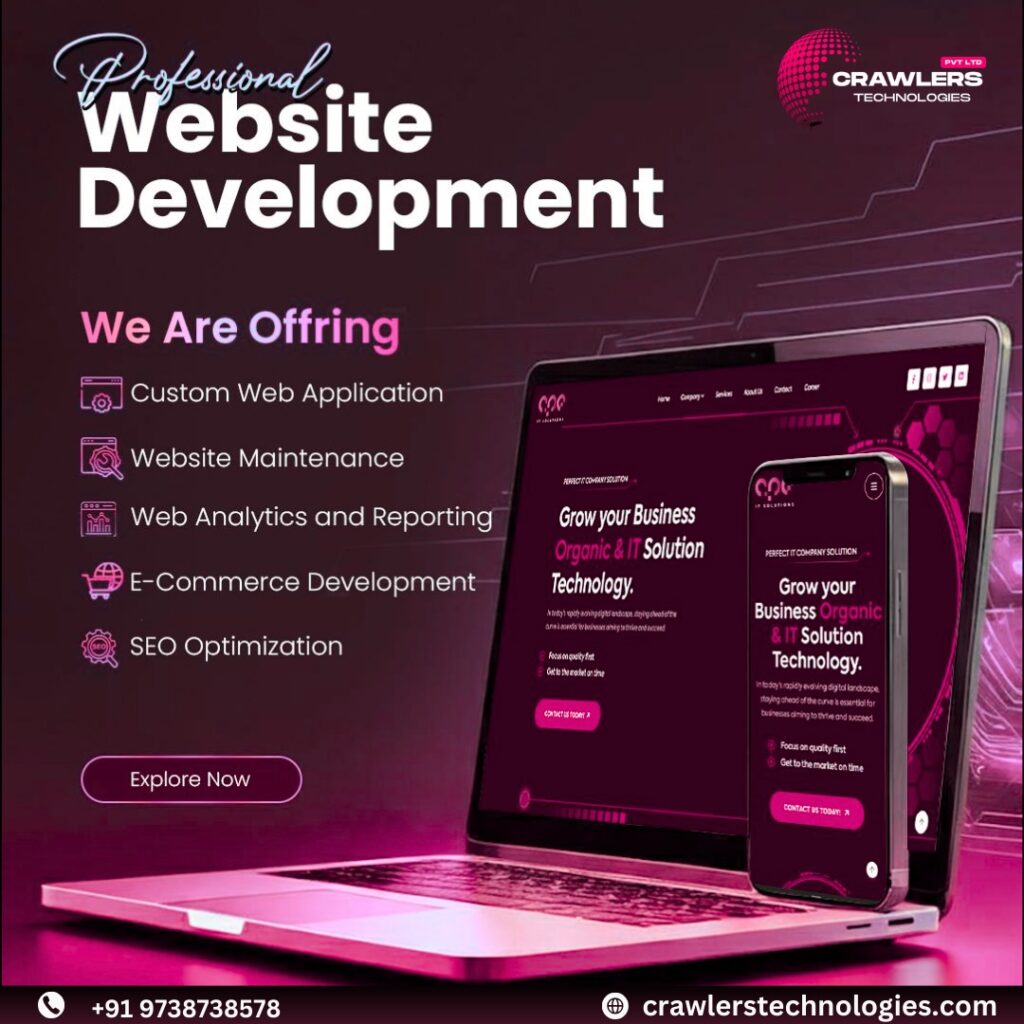
🚀 Why Your Business Needs a Professional Website A professional website: ✔ Builds brand credibility✔ Attracts potential customers✔ Showcases your services clearly✔ Improves search engine visibility✔ Increases conversions and sales Your website is often the first impression customers have of your brand. A poorly designed website can reduce trust instantly. 🛠️ Our Website Development Services 1️⃣ Custom Web Application Development Every business is unique. Custom web applications help automate operations, manage customers, and improve workflow efficiency. Custom solutions give you: Scalable architecture Secure systems Faster performance Business-specific functionality 2️⃣ Website Maintenance & Support A website needs regular updates and monitoring. Professional maintenance ensures: Bug fixes Security updates Performance optimization Regular backups This keeps your website safe and running smoothly. 3️⃣ Web Analytics & Reporting Understanding user behavior is key to growth. With analytics integration, you can: Track visitor activity Measure campaign performance Improve conversion rates Make data-driven decisions Data helps you grow smarter. 4️⃣ E-Commerce Development Want to sell products online? A professionally built e-commerce website offers: Secure payment gateway integration Inventory management User-friendly checkout Mobile-optimized shopping experience Your online store should be fast, secure, and conversion-focused. 5️⃣ SEO Optimization A beautiful website is useless if no one finds it. SEO ensures: Higher Google rankings Increased organic traffic Better visibility in local searches Long-term lead generation Search Engine Optimization helps your business grow consistently. 📱 Mobile-Responsive & Performance-Driven Modern websites must: Load in under 2 seconds Work perfectly on all devices Offer smooth navigation Deliver engaging user experiences Speed + Design + Strategy = Digital Success. 💡 Build a Website That Works as Hard as You Do Your website should not just look good — it should generate business. Whether you need: A business website A custom web application An e-commerce store SEO optimization Investing in professional website development is investing in your company’s future. 📞 Ready to Build Your Digital Presence? Let your website become your strongest marketing tool. Contact today and start building a website that works 24/7 for your business. 🚀 Submit your request Recent Post

DEVELOPMENT

Why Custom Software Is Better Than Off-the-Shelf Solutions

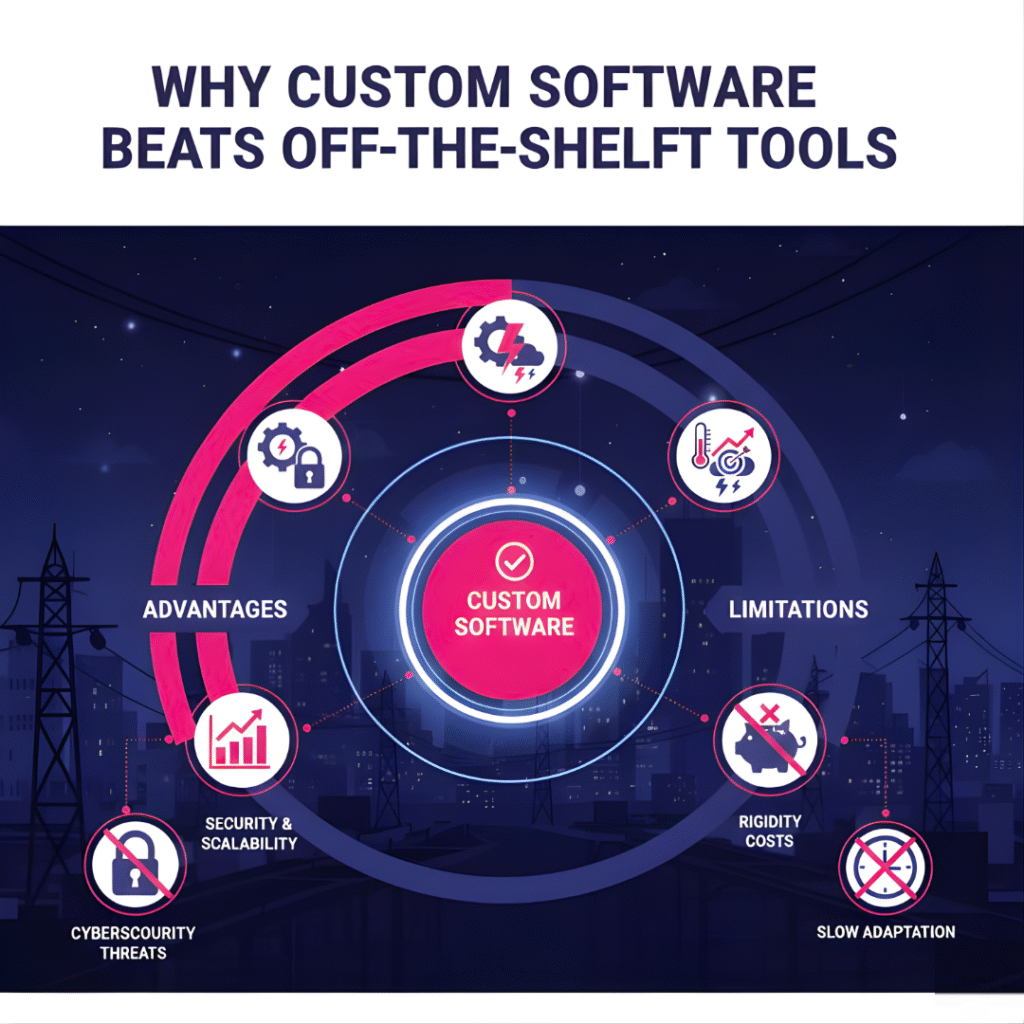
Meta Description: Discover why custom software is better than off-the-shelf solutions for businesses seeking scalability, security, and tailored performance. Learn the key benefits today! In today’s competitive digital world, choosing the right software solution is critical to your business success. Whether you’re a startup or a growing enterprise, you’ll likely face the dilemma of choosing between custom software and off-the-shelf solutions. While pre-built software might seem convenient and cost-effective initially, custom software offers long-term advantages that can significantly boost efficiency, performance, and ROI. Let’s explore why custom software development is a better investment than relying on generic off-the-shelf products. What Is Custom Software? Custom software is a tailored solution developed specifically for your business needs. It is designed, developed, and deployed to match your workflows, goals, and processes. Examples include custom CRMs, inventory management systems, or mobile apps built from scratch. What Is Off-the-Shelf Software? Off-the-shelf software is a pre-built application designed for broad, general-purpose use. Examples include Microsoft Office, QuickBooks, and Shopify. While convenient, these tools are designed for the mass market, not for your unique requirements. 1. Tailored to Your Business Needs Custom software is built around your specific processes, goals, and user behavior. It adapts to your workflow instead of forcing your team to adapt to the software. ✅ SEO Keywords: custom software tailored solutions, business-specific software 2. Scalability and Flexibility As your company expands, your software must evolve to keep pace.. Custom software can be easily scaled, updated, or modified to meet evolving requirements—unlike off-the-shelf products, which often lack flexibility. ✅ SEO Keywords: scalable software solutions, flexible business software 3. Better Integration with Existing Systems Custom software can seamlessly integrate with your existing platforms—CRM, ERP, accounting tools, etc.—saving time and preventing data silos. Off-the-shelf products often require expensive plugins or don’t integrate well at all. ✅ SEO Keywords: software integration, business system compatibility 4. Enhanced Security With cyber threats rising, security is non-negotiable. Custom software includes advanced, business-specific security features and is less likely to be targeted than mass-market software. ✅ SEO Keywords: secure custom software, business data protection 5. Long-Term Cost Efficiency While the initial cost of custom software may be higher, the long-term savings from automation, fewer third-party licenses, and reduced inefficiencies often outweigh the upfront investment. ✅ SEO Keywords: software ROI, cost-effective software solutions 6. Competitive Advantage Custom software can help you implement unique features, optimize operations, and deliver a better customer experience. These factors set you apart from competitors using generic tools. ✅ SEO Keywords: competitive edge with software, custom features for business 7. Full Ownership and Control When you invest in custom software, you own the code and the data. This gives you complete control over updates, features, hosting, and data storage—something off-the-shelf providers don’t offer. ✅ SEO Keywords: software ownership, business software control Final Thoughts Choosing custom software development gives your business the power to innovate, automate, and scale effectively. It’s a strategic investment in your long-term growth, offering tailored functionality, better integration, and higher ROI than off-the-shelf alternatives. If you’re ready to build a solution that works for you, not the other way around, consider partnering with a trusted custom software development company. Submit your request Recent Post

DEVELOPMENT

Top 10 Features Every Business App Must Have

In today’s fast-paced digital world, having a mobile app is no longer a luxury for businesses—it’s a necessity. A well-designed business app not only streamlines operations but also enhances customer engagement, boosts sales, and builds brand loyalty. But what makes a business app truly successful? It all comes down to its features. Whether you’re building an app for your startup, small business, or enterprise, here are the top 10 must-have features your business app needs to stay competitive and user-friendly in 2026 and beyond. 1. User-Friendly Interface (UI/UX) Your app’s design is the first impression users will have. A clean, intuitive, and responsive user interface ensures smooth navigation and boosts user retention. Focus on minimalist design, easy access to key functions, and quick onboarding. SEO Tip: Use keywords like user-friendly business app, mobile app UI/UX design, intuitive app interface. 2. Multi-Platform Compatibility Your business app should be available on both iOS and Android platforms. Consider building cross-platform apps using Flutter or React Native to maximize reach and maintain a consistent user experience. 3. Robust Security Features With increasing cyber threats, app security is non-negotiable. Features like data encryption, two-factor authentication (2FA), and secure APIs protect sensitive information and build user trust. 4. Push Notifications Push notifications are an effective way to keep users engaged, informed, and coming back. Use them to send promotions, reminders, updates, or new feature announcements, but avoid spamming. SEO Tip: Target keywords like push notification strategy, customer engagement features. 5. Offline Functionality Allowing your app to function even without an internet connection is a game-changer, especially for field service, logistics, or inventory-based businesses. Offline access improves usability and user satisfaction. 6. In-App Payments & E-commerce Integration If you’re selling products or services, secure in-app payments are essential. Integrate popular gateways like Stripe, PayPal, or Razorpay, and ensure a seamless checkout process. 7. Analytics & Reporting Tools Data is key to business growth. Integrate tools that provide real-time analytics, user behavior insights, and conversion metrics. This helps in data-driven decision-making and continuous improvement. 8. Chat & Customer Support Integration Whether it’s a live chat, chatbot, or in-app messaging, quick customer support boosts satisfaction and loyalty. Integrate tools like Zendesk, Intercom, or WhatsApp API for real-time assistance. 9. Social Media Integration Allow users to log in via Facebook, Google, or Apple ID, and enable easy sharing of content or promotions. Social integration enhances user experience and increases your app’s visibility. 10. Regular Updates and Scalability Your business app should be built to scale with your company’s growth. Ensure you can easily roll out feature updates, fix bugs, and expand functionality without major overhauls. SEO Tip: Use terms like scalable business app, future-proof app features. Final Thoughts Developing a business app is a strategic move that can elevate your brand and customer experience. By including these 10 essential features, you’re not just building an app—you’re creating a digital extension of your business that can grow and evolve with your audience. Looking to build a high-performance business app with all the right features? Contact us today to get started with a custom mobile app development solution tailored to your business needs.   Submit your request Recent Post

DEVELOPMENT

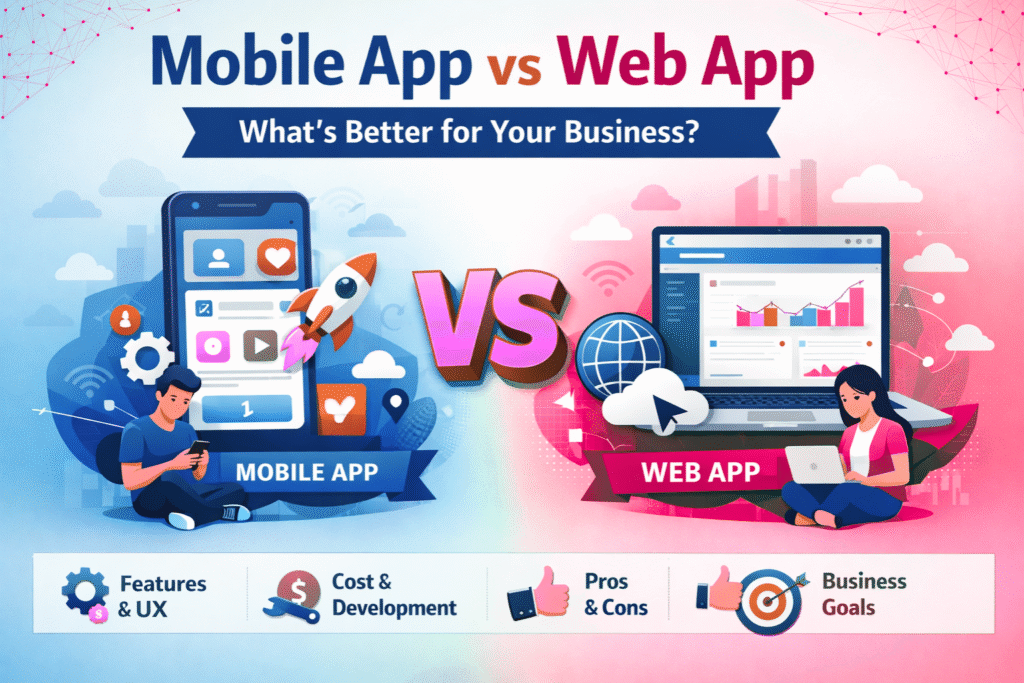
Mobile App vs Web App: What’s Better for Your Business?

In today’s digital-first world, choosing the right platform for your business is more critical than ever. Whether you’re a startup or an established enterprise, deciding between a mobile app and a web app can have a major impact on user engagement, development costs, and long-term success. So, what’s the better option for your business — a mobile app or a web app?   Let’s break down the differences, benefits, drawbacks, and how to choose the right one for your specific business goals.   What is a Mobile App? A mobile app is a software application developed specifically for smartphones and tablets. It is downloaded and installed via app stores like Google Play or the Apple App Store. Mobile apps can run natively (built for a specific platform like iOS or Android) or use cross-platform frameworks such as Flutter or React Native. ✅ Pros of Mobile Apps: Faster Performance: Native apps offer smoother performance and better speed. Offline Access: Many features work without internet connectivity. Better User Experience: Offers rich and responsive UI/UX. Push Notifications: Great for re-engagement and real-time communication. Device Integration: Access to GPS, camera, sensors, and other phone features. What is a Web App? A web app is a responsive website that behaves like an app but runs in a web browser. It doesn’t need to be downloaded or installed, making it accessible on any device with an internet connection. ✅ Pros of Web Apps: Cross-Platform Compatibility: Works across all devices and browsers. No Installation Needed: Users can access it instantly without downloads. Easier Maintenance: Updates are reflected instantly across all users. Cost-Effective: Faster and cheaper to develop and maintain. SEO Friendly: Indexed by search engines for better online visibility. ❌ Cons of Web Apps: Limited Offline Functionality: Requires a stable internet connection. Lower Performance: May not perform as well as native apps. Restricted Device Features: Limited access to phone-specific features. Less Engaging UX: May not feel as immersive as a native app. Mobile App vs Web App: A Quick Comparison Feature Mobile App Web App Installation Required Not required Platform Dependency iOS/Android specific Runs in browser Performance High (native) Moderate Offline Access Yes (native features) Limited Development Time & Cost Higher Lower User Experience (UX) Rich and engaging Basic to moderate Maintenance Needs frequent updates Easy, centralized updates Discoverability (SEO) Not indexed by Google SEO friendly   The answer depends on several factors in cluding your business goals, budget, target audience, and desired features. Choose a Mobile App if: You want a high-performance app with rich user interactions. You need offline functionality and push notifications. Your business depends on frequent user engagement (e.g., e-commerce, fitness, finance apps). Choose a Web App if: Your goal is to reach a wider audience quickly. You’re working with a limited budget. You want to provide instant access without app store hurdles. Your product or service is content-driven or SEO focused. Can You Have Both? Absolutely! Many successful businesses develop web apps first to validate their ideas, then invest in mobile apps once they’ve built a user base. Alternatively, you can explore Progressive Web Apps (PWAs), which combine the best of both worlds — offering app-like experiences in a browser.   Final Thoughts There is no one-size-fits-all answer. Your ideal solution depends on what aligns best with your business objectives, customer needs, and technical capacity. Whether you choose a mobile app, a web app, or both — make sure the user experience is seamless and the value proposition is clear. Need help deciding or developing your app? Contact our team of experts today for a free consultation.   Submit your request Recent Post