
Author name: marketing

DEVELOPMENT, Uncategorized

💰 App Monetization Models Explained for Startups

Building a mobile app is only the first step — the real question is: How will your app make money? Choosing the right monetization strategy is critical for your startup’s success. The wrong model can drive users away, while the right one can create sustainable revenue and growth. In this blog, we’ll explore the most effective app monetization models for startups in 2026. 🚀 Why App Monetization Strategy Matters A well-planned monetization strategy helps you: ✔ Generate consistent revenue✔ Improve user experience✔ Scale your business sustainably✔ Increase app valuation Monetization is not just about earning — it’s about creating value for users. 💳 1. Freemium Model The freemium model is one of the most popular strategies. Users can download and use the app for free, but premium features require payment. ✅ Best For: SaaS apps Productivity apps Fitness or learning apps 💡 Example: Basic features are free, but advanced tools or content require a subscription. 🔄 2. Subscription Model Users pay a recurring fee (monthly or yearly) to access content or services. ✅ Best For: OTT platforms Fitness apps Educational apps Business tools Advantages: ✔ Predictable revenue✔ Higher customer lifetime value 📢 3. In-App Advertising You earn revenue by displaying ads inside your app. Types of ads: Banner ads Video ads Native ads ✅ Best For: Free apps with high user traffic ⚠️ Note: Too many ads can hurt user experience. 🛒 4. In-App Purchases Users buy additional features, content, or virtual goods within the app. Examples: Game coins Premium filters Extra features ✅ Best For: Gaming apps Content-based apps 💼 5. Paid Apps (One-Time Purchase) Users pay once to download the app. ✅ Best For: Niche apps Premium tools Specialized services ⚠️ Limitation: Harder to attract users compared to free apps. 🤝 6. Commission-Based Model Your app earns a commission on transactions made through the platform. Examples: Food delivery apps Booking platforms E-commerce apps ✅ Best For: Marketplace businesses 📊 7. Data Monetization Apps can generate revenue by analyzing and using user data (ethically and legally). ⚠️ Important: Follow privacy laws Maintain transparency Protect user data 🧠 How to Choose the Right Monetization Model Consider these factors: ✔ Your target audience✔ Type of app✔ User behavior✔ Market competition✔ Value you provide Many successful apps combine multiple monetization strategies. 🔥 Best Strategy for Startups For most startups: 👉 Start with Freemium + Subscription👉 Add In-App Purchases or Ads later This approach balances user growth and revenue generation. 💡 Final Thoughts Choosing the right monetization model is as important as building the app itself. A successful app doesn’t just attract users — it converts them into paying customers. The key is to: ✔ Provide value first✔ Choose user-friendly monetization✔ Optimize based on feedback Build smart, monetize smarter.     Submit your request Recent Post What Is Custom Software?

DEVELOPMENT

💰 Hidden Costs of App Development You Must Know Before Starting

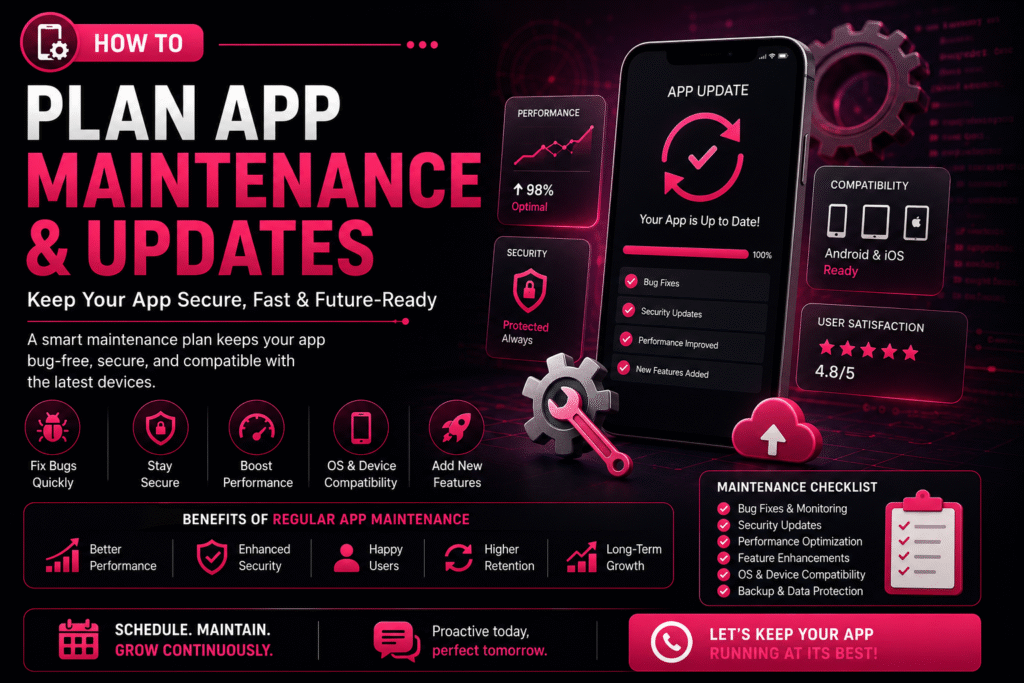
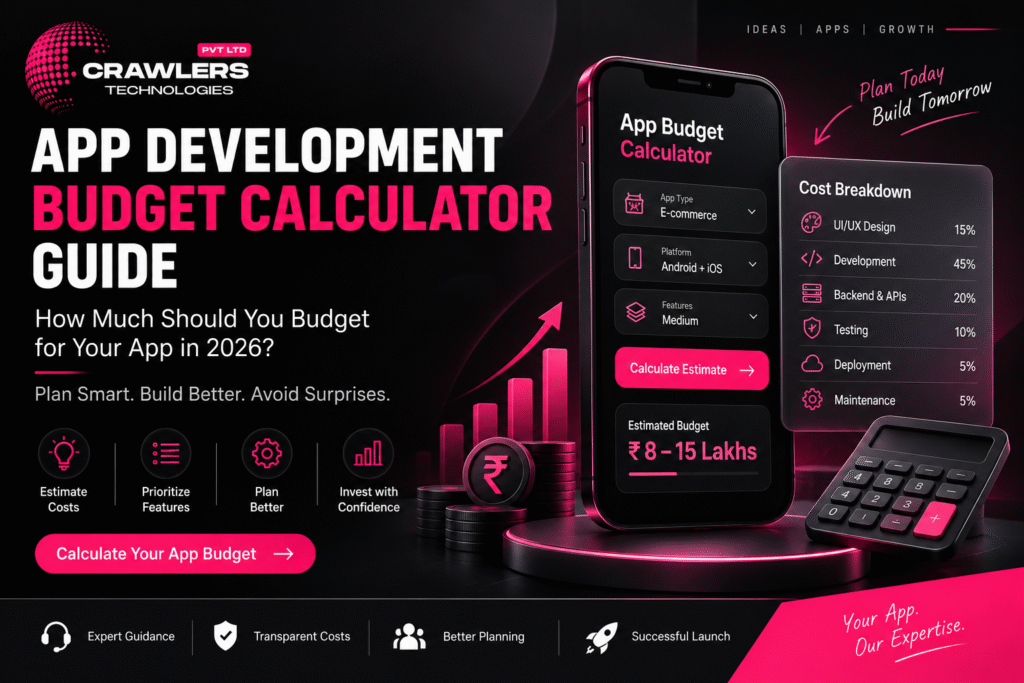
💰 Hidden Costs of App Development You Must Know Before Starting Building a mobile app is a smart investment — but many businesses only focus on the initial development cost and overlook several hidden expenses that can significantly impact the total budget. If you don’t plan for these costs in advance, your project can quickly exceed expectations. Let’s break down the hidden costs you must know before starting app development in 2026. 🧠 1. Planning & Research Costs Before development begins, proper planning is essential. This includes: Market research Competitor analysis Feature planning Business strategy Skipping this step often leads to rework, delays, and higher costs later. 🎨 2. UI/UX Design Costs Design is not just about looks — it directly impacts user experience. Hidden design costs include: Wireframing Prototyping Custom UI design User journey optimization Poor design decisions often require costly redesigns. ⚙️ 3. Backend Development & Infrastructure Many apps require a backend to function properly. Costs include: Server setup Database management API development Cloud hosting These are ongoing expenses, not one-time costs. 💳 4. Third-Party Integrations Modern apps rely on external services like: Payment gateways SMS/email services Maps and location APIs Analytics tools Most of these services charge monthly or usage-based fees, which add up over time. 📱 5. App Store & Play Store Fees To publish your app, you need developer accounts. Typical costs: One-time or yearly registration fees Compliance requirements App submission processes These are small but necessary expenses. 🧪 6. Testing & Quality Assurance Testing is often underestimated but crucial. Costs may include: Manual testing Automated testing tools Performance testing Security testing Skipping proper testing can lead to expensive fixes after launch. 🔄 7. Maintenance & Updates Your app will need continuous support after launch. Ongoing costs include: Bug fixes Performance improvements OS compatibility updates Feature enhancements Typically, maintenance costs 15–20% of the initial development cost per year. 📢 8. Marketing & User Acquisition Even the best app won’t succeed without promotion. Marketing costs include: Social media ads Google ads App Store Optimization (ASO) Influencer marketing Without marketing, your app may never reach its audience. 📈 9. Scalability & Growth Costs As your app grows, your infrastructure must scale. Additional costs include: Increased server usage Database expansion Performance optimization Security upgrades Planning for scalability avoids future breakdowns. 🔐 10. Security & Compliance If your app handles user data, security is critical. Costs may include: Data encryption Security audits Compliance (GDPR, etc.) Secure authentication systems Ignoring security can lead to serious financial and reputational damage. 💡 Final Thoughts App development is more than just coding — it’s a long-term investment that includes planning, design, infrastructure, marketing, and maintenance. Understanding hidden costs helps you: ✔ Plan a realistic budget✔ Avoid unexpected expenses✔ Build a sustainable app✔ Ensure long-term success The smarter you plan today, the more you save tomorrow. 💡 What Is an MVP and Why It Saves You Money When building a mobile app or digital product, many businesses make the mistake of launching a fully-featured product from day one. This leads to high costs, delays, and unnecessary risks. That’s where MVP (Minimum Viable Product) comes in.   🚀 What Is an MVP? An MVP is the simplest version of your app with only core features to solve a specific problem. Example: Food delivery MVP → Login + Restaurants + Order 🎯 Why MVP Is Important ✔ Validate your idea ✔ Reduce development time ✔ Test market demand ✔ Get real feedback ✔ Improve step-by-step 💰 How MVP Saves You Money 1️⃣ Lower Development Cost Build only essential features → reduce cost. 2️⃣ Avoid Unnecessary Features Focus on what users actually need. 3️⃣ Faster Time to Market Launch early → earn faster → grow faster. 4️⃣ Reduce Risk Test idea before full investment. 5️⃣ Data-Driven Growth Improve using real user behavior. 🔄 MVP vs Full App Feature MVP Full App Cost Low High Time Fast Slow Features Basic Advanced Risk Low High Flexibility High Limited 🧠 When Should You Build an MVP? ✔ Startup ✔ New idea ✔ Limited budget ✔ Need quick launch 💡 Final Thoughts ✔ Save money✔ Reduce risk✔ Validate idea✔ Build what users need Don’t guess — test with MVP. Submit your request Recent Post What Is Custom Software?

DEVELOPMENT, Uncategorized

💡What Is an MVP and Why It Saves You Money

What Is an MVP and Why It Saves You Money 💡 What Is an MVP and Why It Saves You Money When building a mobile app or digital product, many businesses make the mistake of launching a fully-featured product from day one. This leads to high costs, delays, and unnecessary risks. That’s where MVP (Minimum Viable Product) comes in. 🚀 What Is an MVP? An MVP is the simplest version of your app with only core features to solve a specific problem. Example: Food delivery MVP → Login + Restaurants + Order 🎯 Why MVP Is Important ✔ Validate your idea ✔ Reduce development time ✔ Test market demand ✔ Get real feedback ✔ Improve step-by-step 💰 How MVP Saves You Money 1️⃣ Lower Development Cost Build only essential features → reduce cost. 2️⃣ Avoid Unnecessary Features Focus on what users actually need. 3️⃣ Faster Time to Market Launch early → earn faster → grow faster. 4️⃣ Reduce Risk Test idea before full investment. 5️⃣ Data-Driven Growth Improve using real user behavior. 🔄 MVP vs Full App Feature MVP Full App Cost Low High Time Fast Slow Features Basic Advanced Risk Low High Flexibility High Limited 🧠 When Should You Build an MVP? ✔ Startup ✔ New idea ✔ Limited budget ✔ Need quick launch 💡 Final Thoughts ✔ Save money ✔ Reduce risk ✔ Validate idea ✔ Build what users need Don’t guess — test with MVP. 💬 Chat on WhatsApp Submit your request Recent Post What Is Custom Software?

DEVELOPMENT

📱 How to Turn Your Business into a Mobile App

. 📱 How to Turn Your Business into a Mobile App In 2026, customers expect everything at their fingertips. Whether it’s booking a service, ordering products, or connecting with a brand — mobile apps have become the easiest way to engage customers. If you’re running a business, turning it into a mobile app can significantly boost growth, improve customer experience, and increase revenue. Let’s explore how you can transform your business into a powerful mobile app. 💡 Why Your Business Needs a Mobile App ✔ Reach customers anytime, anywhere ✔ Improve customer engagement ✔ Increase brand visibility ✔ Automate operations ✔ Boost sales and retention Businesses with apps often outperform those relying only on websites. 🧠 Step 1: Identify Your Business Model Before building an app, understand how your business will function digitally. Will users book services? Will you sell products online? Do you need subscriptions or memberships? Clearly defining your model helps in planning features. 🎯 Step 2: Define Core Features User registration/login Product or service listings Booking or ordering system Payment integration Push notifications Customer support Start simple and expand later. 👥 Step 3: Understand Your Target Audience Age group Preferences Usage behavior Pain points This helps in designing a user-friendly experience. 🎨 Step 4: Design User-Friendly UI/UX Simple and easy to use Fast loading Clear navigation Smooth user flow Good design keeps users engaged. ⚙️ Step 5: Choose the Right Development Approach Android app iOS app Cross-platform app Your choice depends on your budget and goals. 👨‍💻 Step 6: Develop Your App Frontend (UI) Backend (database, server) API integrations Admin panel Work with experienced developers for best results. 🧪 Step 7: Test Your App Bugs Performance issues Security Device compatibility A smooth app builds trust and retention. 🚀 Step 8: Launch Your App Google Play Store Apple App Store Ensure everything is optimized before launch. 📢 Step 9: Promote Your App Social media marketing Paid ads Influencer promotions App Store Optimization (ASO) Marketing drives downloads and growth. 🔄 Step 10: Improve & Scale User feedback Feature updates Performance improvements Scaling infrastructure Successful apps evolve over time. 💡 Final Thoughts Turning your business into a mobile app is one of the smartest moves in today’s digital world. ✔ Increase revenue ✔ Improve customer experience ✔ Strengthen your brand ✔ Automate operations Don’t just digitize your business — transform it. 💬 Chat on WhatsApp Submit your request Recent Post What Is Custom Software?

DEVELOPMENT

🚨 Common Mistakes First-Time Founders Make in App Development

Building your first mobile app is exciting — but it’s also where many founders make costly mistakes. Without proper planning and strategy, even great ideas can fail during development or after launch. In this blog, we’ll explore the most common mistakes first-time founders make and how to avoid them. ❌ 1. Starting Without Clear Goals Many founders jump into development without defining: What the app should achieve Who the target audience is How success will be measured ✅ How to Avoid It Set clear goals like:✔ Increasing sales✔ Solving a specific problem✔ Improving customer engagement Clarity from the beginning saves time and money. ❌ 2. Ignoring Market Research Assuming your idea will work without validation is risky. Common issues: No competitor analysis No understanding of user needs Building something nobody wants ✅ How to Avoid It ✔ Study competitors✔ Analyze user feedback✔ Identify market gaps Build what users need — not what you assume. ❌ 3. Trying to Build Everything at Once Many founders try to include too many features in the first version. Result: Increased cost Delayed launch Complex user experience ✅ How to Avoid It Start with an MVP (Minimum Viable Product)✔ Focus on core features✔ Launch faster✔ Improve based on feedback ❌ 4. Poor UI/UX Design A confusing or unattractive app leads to user drop-offs. Common mistakes: Complicated navigation Slow performance Cluttered interface ✅ How to Avoid It ✔ Keep design simple✔ Ensure fast performance✔ Focus on user experience Good design = better retention. ❌ 5. Choosing the Wrong Development Team Hiring based only on low cost often leads to poor results. Issues: Low-quality code Missed deadlines Poor communication ✅ How to Avoid It ✔ Check portfolio✔ Read reviews✔ Evaluate technical expertise Choose value over price. ❌ 6. Underestimating Budget Many founders only consider development cost and ignore: Design Testing Maintenance Marketing ✅ How to Avoid It Plan a complete budget including:✔ Development✔ Marketing✔ Maintenance Always keep a buffer for unexpected costs. ❌ 7. Skipping Testing Launching without proper testing leads to: Bugs Crashes Poor user experience ✅ How to Avoid It ✔ Test on multiple devices✔ Fix bugs before launch✔ Ensure performance stability Quality is non-negotiable. ❌ 8. No Marketing Plan Many founders think users will come automatically after launch. Reality: they won’t. ✅ How to Avoid It Plan marketing early:✔ Social media campaigns✔ Paid ads✔ App Store Optimization (ASO) Marketing drives downloads. ❌ 9. Ignoring Post-Launch Updates An app is never “finished.” Mistakes: No updates Ignoring user feedback No improvements ✅ How to Avoid It ✔ Regular updates✔ Feature improvements✔ Bug fixes Continuous improvement is key. ❌ 10. Not Thinking About Scalability Apps built without scalability fail when user growth increases. ✅ How to Avoid It ✔ Use scalable architecture✔ Plan for growth✔ Optimize performance Think long-term from day one. 💡 Final Thoughts First-time founders often fail not because of bad ideas — but because of avoidable mistakes. Avoiding these common errors can help you: ✔ Save money✔ Launch faster✔ Build a better product✔ Increase chances of success Building an app is not just about development — it’s about strategy, execution, and continuous improvement. Submit your request Recent Post What Is Custom Software?

DEVELOPMENT, Uncategorized

🚀 How Startups Can Build Scalable Apps from Day One

For startups, building a mobile app is not just about launching — it’s about growing. Many startups fail because their apps cannot handle increased users, new features, or business expansion. Scalability ensures your app can grow smoothly without performance issues or costly rebuilds. So, how can startups build scalable apps from day one? Let’s break it down. 💡 What is a Scalable App? A scalable app is designed to handle growth efficiently. As your business grows, your app should be able to: Support more users Process more data Add new features easily Maintain performance under high traffic Scalability is the key to long-term success. 🧠 1. Start with a Strong Architecture Your app’s foundation determines its scalability. Choose: Modular architecture Microservices (for complex apps) Clean and maintainable code structure A strong architecture makes it easier to scale without rebuilding the entire system. ☁️ 2. Use Cloud-Based Infrastructure Cloud platforms help your app scale automatically. Benefits: Flexible storage On-demand resources Better performance Cost optimization Cloud infrastructure ensures your app can handle sudden traffic spikes. ⚙️ 3. Choose the Right Technology Stack Selecting the right technologies is crucial. Consider: Backend frameworks (Node.js, Django, etc.) Scalable databases (SQL/NoSQL) Cross-platform tools (Flutter, React Native) The right stack supports future growth and performance. 📊 4. Build an MVP First — But Plan for Scale Start with an MVP to test your idea, but design it with scalability in mind. ✔ Avoid hardcoding features✔ Keep the code flexible✔ Plan future integrations This ensures your app can evolve without major changes. 🚀 5. Optimize Performance from the Start Performance directly impacts user experience. Focus on: Fast loading speed Efficient data handling Optimized APIs Caching mechanisms A fast app retains users and supports growth. 🔐 6. Prioritize Security & Data Management As your app scales, data security becomes critical. Ensure: Secure APIs Data encryption Regular backups Access control systems Security should grow with your app. 🧪 7. Continuous Testing & Monitoring Scaling apps require continuous monitoring. Use tools to: Track performance Detect errors Analyze user behavior Identify bottlenecks Regular testing prevents issues during growth. 🔄 8. Plan for Regular Updates A scalable app evolves over time. Be ready to: Add new features Improve UI/UX Fix bugs Upgrade systems Continuous improvement keeps your app competitive. 👨‍💻 9. Work with an Experienced Development Team A skilled development team understands scalability from day one. They help you: Choose the right architecture Avoid technical mistakes Build future-ready systems Scale efficiently Choosing the right partner saves time and cost in the long run. 📈 10. Think Long-Term, Not Just Launch Many startups focus only on launching quickly. But success comes from:✔ Planning for growth✔ Designing for scalability✔ Building flexible systems A scalable app grows with your business — without limitations. 💡 Final Thoughts Building a scalable app from day one is one of the smartest decisions a startup can make. It ensures your app can:✔ Handle increasing users✔ Adapt to market needs✔ Support business expansion✔ Deliver consistent performance Don’t just build an app — build a system that grows with your vision. Submit your request Recent Post What Is Custom Software?

DEVELOPMENT

🚀 From Idea to App Store: Complete Development Process Explained

Turning an idea into a successful mobile app is an exciting journey — but it requires the right strategy, planning, and execution. Many businesses jump into development without understanding the full process, which leads to delays, cost overruns, or even project failure. In this blog, we’ll walk you through the complete mobile app development process, from idea to App Store launch. 💡 1. Idea & Problem Identification Every successful app starts with solving a real problem. Before anything else, ask: What problem does your app solve? Who are your target users? Why would people use your app? A strong idea with real value is the foundation of your app. 🔍 2. Market Research & Validation Before investing in development, validate your idea. This includes: Competitor analysis User surveys Studying market demand Identifying gaps in existing solutions Validation reduces risk and ensures your app has real demand. 📊 3. Feature Planning & MVP Strategy Instead of building a full app immediately, define your MVP (Minimum Viable Product). Focus on: Core features only Essential functionality User problem-solving This approach saves time and money while helping you launch faster. 🎨 4. UI/UX Design Design is critical for user engagement. This stage includes: Wireframes (basic layout) User flow planning Visual design Interactive prototypes A well-designed app improves usability and increases retention. ⚙️ 5. Technology Stack Selection Choosing the right technology is crucial. Options include: Android development iOS development Cross-platform frameworks (Flutter, React Native) The choice depends on your budget, timeline, and target audience. 👨‍💻 6. App Development This is the core stage where your app is built. It involves: Frontend development (UI) Backend development (server, database) API integrations Admin panel setup A structured development process ensures scalability and performance. 🧪 7. Testing & Quality Assurance Before launch, your app must be thoroughly tested. Testing includes: Functional testing Performance testing Security testing Device compatibility testing Proper QA ensures a smooth and bug-free user experience. 🚀 8. Deployment & App Store Submission Once testing is complete, your app is ready for launch. Steps include: Publishing on Google Play Store Submitting to Apple App Store Meeting store guidelines App review and approval Approval timelines may vary depending on the platform. 📢 9. Marketing & Launch Strategy Launching your app is just the beginning. You need a strong marketing plan: Social media promotion Paid ads Influencer marketing App Store Optimization (ASO) Marketing drives downloads and user engagement. 🔄 10. Maintenance & Updates Post-launch support is essential for long-term success. This includes: Bug fixes Performance improvements Feature updates Security enhancements Apps must evolve continuously to stay competitive. 📊 Development Timeline Overview Phase Duration Planning & Research 2–4 weeks Design 3–6 weeks Development 2–6 months Testing 2–4 weeks Launch 1–2 weeks 💡 Final Thoughts Building a mobile app is a step-by-step process that requires careful planning, execution, and continuous improvement. By following the right development process, you can: ✔ Reduce risks✔ Save costs✔ Build a scalable app✔ Deliver a great user experience From idea to App Store, every step matters. Submit your request Recent Post What Is Custom Software?

DEVELOPMENT

🚀 Step-by-Step Guide to Launching Your First Mobile App

Launching your first mobile app can be exciting — but also overwhelming. From idea to launch, there are multiple steps involved, and missing even one can affect your app’s success. This step-by-step guide will help you understand the complete process of building and launching a mobile app in 2026. 💡 Step 1: Define Your App Idea Every successful app starts with a clear idea. Ask yourself: What problem does your app solve? Who is your target audience? What makes your app unique? A strong idea is the foundation of your app. 📊 Step 2: Validate Your Idea Before investing money, test your idea. You can: Research competitors Talk to potential users Create a landing page Run small ad campaigns Validation ensures your idea has real market demand. 🧠 Step 3: Plan Features & Build an MVP Don’t try to build everything at once. Start with an MVP (Minimum Viable Product) that includes only core features. Benefits:✔ Faster development✔ Lower cost✔ Easier testing You can always add more features later. 🎨 Step 4: Design UI/UX Design plays a crucial role in user engagement. Focus on: Simple navigation Clean interface Fast user flow Mobile-friendly design A good design improves retention and conversions. 👨‍💻 Step 5: Choose the Right Development Approach Decide how you want to build your app: Android app iOS app Cross-platform app Your choice depends on your target audience, budget, and timeline. ⚙️ Step 6: Start Development This is where your app comes to life. Development includes: Frontend (user interface) Backend (server & database) API integrations Admin panel Work with a professional team to ensure quality and scalability. 🧪 Step 7: Test Your App Testing is critical before launch. Check for: Bugs and errors Performance issues Security vulnerabilities Device compatibility A well-tested app ensures smooth user experience. 🚀 Step 8: Launch Your App Now it’s time to go live! Steps include: Publishing on Google Play Store Submitting to Apple App Store Setting up servers Final optimizations Make sure your app meets all store guidelines. 📢 Step 9: Market Your App Launching is just the beginning. Promote your app using: Social media marketing Paid ads Influencer collaborations App Store Optimization (ASO) Marketing drives downloads and user engagement. 🔄 Step 10: Monitor & Improve After launch, track performance and improve continuously. Focus on: User feedback Analytics Feature updates Bug fixes Successful apps evolve based on user needs. 💡 Final Thoughts Launching a mobile app is a journey — not a one-time task. By following a structured approach, you can: ✔ Reduce risks✔ Save costs✔ Build a better product✔ Achieve long-term success Your first app doesn’t have to be perfect — it just needs to solve a real problem effectively. Submit your request Recent Post What Is Custom Software?

DEVELOPMENT

💡 How to Validate Your App Idea Before Investing ₹2L+

Building a mobile app requires a significant investment — often starting from ₹2 lakhs or more. But what if your idea doesn’t work in the real market? That’s why idea validation is one of the most important steps before starting app development. Instead of risking your budget, you can test your idea, understand user demand, and make smarter decisions. Let’s explore how to validate your app idea effectively before investing. 🎯 1. Identify the Problem Clearly Every successful app solves a real problem. Ask yourself: What problem does your app solve? Who is facing this problem? How are they currently solving it? If the problem is not strong or common, the app may struggle to succeed. 👥 2. Define Your Target Audience You must clearly know who your users are. Understand: Age group Location Behavior Needs and pain points A focused audience helps you build a more relevant and useful product. 📊 3. Research Competitors Search for similar apps in the market. Analyze: Their features User reviews Ratings What users like/dislike If competitors exist, it means demand is there — but you must offer something better or different. 🗣️ 4. Talk to Real Users Don’t assume — ask. Get feedback by: Talking to potential users Conducting surveys Asking about their pain points Understanding their expectations Real feedback is more valuable than assumptions. 🧪 5. Build a Simple MVP (Minimum Viable Product) Instead of building a full app, create a basic version with core features. An MVP helps you: Test your idea quickly Reduce development cost Gather user feedback Improve the product Start small, then scale. 🎨 6. Create a Landing Page Before building the app, create a simple website explaining your idea. Include: App concept Key features Benefits Call-to-action (Sign up / Join waitlist) If people sign up, it shows real interest. 📢 7. Run Small Marketing Tests You can validate demand using ads. Try: Facebook/Instagram ads Google ads Promotional posts Track: Click-through rate Sign-ups User interest If people are clicking and engaging, your idea has potential. 📈 8. Analyze Demand & Feedback After testing, evaluate: Are people interested? Are they willing to use or pay? What improvements are needed? Use this data to refine your idea before investing heavily. 💰 9. Start with a Budget-Friendly Approach Instead of investing ₹2L+ immediately: ✔ Build an MVP first✔ Test the market✔ Improve based on feedback✔ Then scale gradually This reduces risk and increases success chances. 🚀 10. Work with the Right Development Partner An experienced development team can help you: Validate your idea Suggest improvements Build a scalable MVP Avoid costly mistakes Choosing the right partner is as important as the idea itself. 💡 Final Thoughts Validating your app idea before investing is not an option — it’s a necessity. A smart validation process helps you: ✔ Save money✔ Reduce risk✔ Build what users actually need✔ Increase chances of success Remember, successful apps are not built on assumptions — they are built on real user insights. Submit your request Recent Post What Is Custom Software?

DEVELOPMENT

What to Prepare Before Hiring an App Development Agency

Hiring an app development agency is a big step for your business. The success of your app doesn’t just depend on the developers — it depends on how well you prepare before starting the project. Many businesses jump into development without proper planning, which leads to delays, budget overruns, and unsatisfactory results. To ensure a smooth and successful project, here’s everything you should prepare before hiring an app development agency. 🎯 1. Define Your App Idea Clearly Before approaching any agency, you should have a clear understanding of your app concept. Ask yourself: What problem does your app solve? Who is your target audience? What is the main purpose of the app? A clear idea helps developers understand your vision and provide better solutions. 🧠 2. List Down Core Features You don’t need to finalize every detail, but you should identify the must-have features. Examples: User login/signup Payment integration Notifications Admin dashboard Prioritizing features helps in building an MVP and controlling costs. 👥 3. Identify Your Target Audience Understanding your users is critical. Define: Age group Location Interests User behavior This helps in designing the right UI/UX and choosing the right platform (Android, iOS, or both). 💰 4. Set a Realistic Budget App development costs vary based on complexity and features. Before hiring, decide: Your maximum budget Expected ROI Flexibility for future updates A clear budget helps agencies suggest the best solution within your limits. ⏳ 5. Decide Timeline Expectations Be realistic about timelines. Consider: Development time Testing phase Launch preparation Having a timeline in mind helps agencies plan resources efficiently. 📊 6. Research Your Competitors Look at similar apps in your industry. Analyze: What features they offer What users like/dislike Their design and performance This gives you insights to build a better and more competitive app. 🎨 7. Prepare Basic Design References You don’t need a final design, but having references helps. You can: Share app examples you like Create rough sketches Define brand colors and style This speeds up the design process and avoids confusion. 🔐 8. Understand Legal & Security Requirements Depending on your app type, you may need: Privacy policy Terms & conditions Data protection measures NDA agreements Discussing these early avoids complications later. 🔄 9. Plan for Post-Launch Support Your app will need ongoing updates after launch. Prepare for: Maintenance costs Feature upgrades Bug fixes Marketing strategies Thinking long-term ensures your app stays relevant. 💬 10. Prepare Questions for the Agency Before hiring, ask the right questions: What is your development process? What technologies do you use? Do you provide post-launch support? Can you share past projects? This helps you choose the right partner confidently. 💡 Final Thoughts Preparation is the key to successful app development. When you approach an app development agency with clear goals, defined features, and a proper plan, the entire process becomes faster, smoother, and more cost-effective. A well-prepared business not only builds a better app but also saves time, money, and effort. Submit your request Recent Post What Is Custom Software?

Scroll to Top