
Author name: marketing

DEVELOPMENT

📱 How to Choose the Right App Development Company in India

Choosing the right app development company is one of the most important decisions for your business. The success of your mobile app depends not just on the idea — but on the team that builds it. With thousands of app development companies in India, selecting the right partner can be challenging. This guide will help you make the right decision. 🎯 1. Define Your Requirements Clearly Before approaching any company, be clear about: Your app idea Target audience Features required Budget and timeline Clear requirements help companies understand your vision and provide accurate solutions. 🧑‍💻 2. Check Portfolio & Past Work A company’s portfolio tells you everything about their capabilities. Look for: Apps similar to your idea UI/UX quality App performance Industries they’ve worked with Reviewing past projects helps you judge their expertise and creativity. ⭐ 3. Read Client Reviews & Testimonials Client feedback gives real insights into: Reliability Communication Delivery timelines Quality of work Check platforms like Google, Clutch, or their website reviews before making a decision. ⚙️ 4. Evaluate Technical Expertise Your app development company should be skilled in: Android & iOS development Cross-platform frameworks (Flutter, React Native) Backend technologies API integrations A strong tech stack ensures better performance and scalability. 👨‍👩‍👧‍👦 5. Understand Their Team Structure A professional company should have: Project managers UI/UX designers Developers QA testers A well-structured team ensures smooth execution and quality output. 💬 6. Communication & Transparency Good communication is key to project success. Make sure they: Provide regular updates Use tools like Jira, Slack, or Trello Assign a dedicated project manager Poor communication can delay projects and increase costs. 🔄 7. Check Development Process A reliable company follows a structured process: ✔ Planning✔ Design✔ Development✔ Testing✔ Deployment✔ Maintenance If a company cannot clearly explain their process, it’s a red flag. 🔐 8. Focus on Security & Compliance Security is critical, especially if your app handles user data. Ensure they: Use secure coding practices Follow data protection standards Provide NDA agreements Ignoring security can lead to serious risks. 💰 9. Understand Pricing Clearly Don’t just choose the cheapest option. Look for: Transparent pricing Detailed cost breakdown No hidden charges Low-cost services often compromise on quality. 🔧 10. Post-Launch Support & Maintenance App development doesn’t end after launch. Choose a company that offers: Regular updates Bug fixes Performance improvements Technical support Long-term support is essential for success. 🚨 Red Flags to Avoid Be careful if a company: ❌ Shows fake reviews or portfolio❌ Promises unrealistic timelines❌ Offers extremely low pricing❌ Has poor communication❌ Lacks proper documentation These are signs of unreliable partners. 💡 Final Thoughts Choosing the right app development company in India can make or break your project. A good development partner will not just build your app — they will help you: ✔ Plan better✔ Build smarter✔ Launch faster✔ Scale efficiently Take your time, do proper research, and choose a company that aligns with your vision and long-term goals. Submit your request Recent Post What Is Custom Software?
DEVELOPMENT

💰 Hidden Costs of App Development You Must Know Before Starting

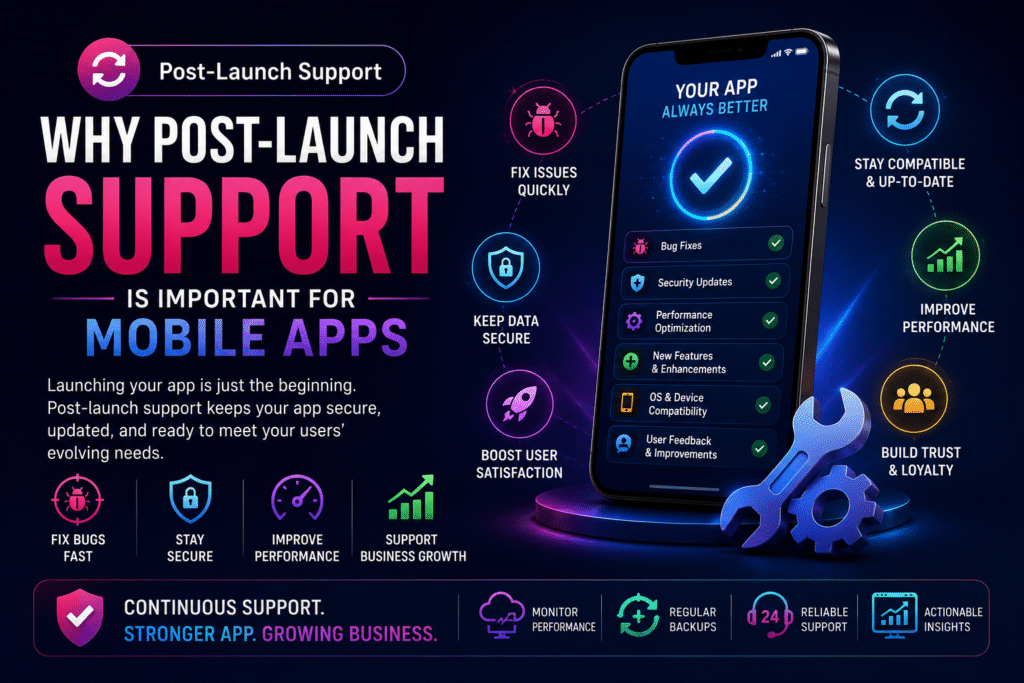
Building a mobile app can be a great investment for businesses looking to expand digitally. However, many companies focus only on the initial development price and overlook several hidden costs that can significantly impact the overall budget. Understanding these hidden expenses before starting your app development project can help you plan better and avoid unexpected surprises. Let’s explore the most common hidden costs of app development. 🧠 1. App Planning & Research Costs Before development begins, proper planning is essential. Many businesses skip this step or underestimate its importance. Planning includes: Market research Competitor analysis Feature planning App strategy and roadmap Without proper planning, projects often face delays, redesigns, and additional development costs. 🎨 2. UI/UX Design Costs A great user interface and smooth user experience are critical for app success. Design costs may include: Wireframing Prototype creation Custom UI design User experience testing Businesses that ignore professional UI/UX design often end up spending more later fixing usability issues. 🔐 3. Backend Infrastructure Many apps require backend systems to manage data, users, and communication between servers and the app. Backend costs include: Cloud hosting Database management API development Server maintenance These ongoing expenses are often not considered during initial budgeting. 💳 4. Third-Party Integrations Modern apps frequently integrate with external services such as: Payment gateways Maps and location services SMS or email notifications Analytics tools Social media login systems Most of these services charge subscription or usage fees, which add to the long-term cost. 📱 5. App Store & Play Store Fees To publish your app on app stores, you must pay registration fees. Typical costs include: Google Play Developer account fee Apple App Store developer subscription These fees are relatively small but still necessary for launching the app. 🧪 6. Testing & Quality Assurance Proper testing ensures that your app works smoothly across different devices and operating systems. Testing costs include: Manual testing Automated testing tools Performance testing Security testing Skipping testing may lead to bugs that damage user experience and reputation. 🔄 7. Maintenance & Updates App development doesn’t end after launch. Ongoing maintenance includes: Bug fixes Security updates Feature improvements Compatibility updates for new OS versions Maintenance usually costs 15–20% of the original development cost per year. 📢 8. Marketing & App Promotion Many businesses forget to budget for marketing. Even the best app needs promotion to attract users. Marketing expenses may include: App Store Optimization (ASO) Social media ads Influencer promotions Content marketing Without marketing, your app may struggle to gain visibility. ⚡ 9. Scalability & Performance Upgrades As your user base grows, your app infrastructure must scale. Additional costs may arise for: Higher server capacity Performance optimization Security improvements Database upgrades Planning for scalability helps avoid technical problems in the future. 💡 Final Thoughts App development involves more than just coding. From planning to marketing and ongoing maintenance, several hidden costs can influence your overall investment. By understanding these costs in advance, businesses can create a realistic budget and avoid unexpected financial challenges. A well-planned app development strategy ensures your project runs smoothly and delivers long-term value for your business. Submit your request Recent Post What Is Custom Software?
DEVELOPMENT

🚀 MVP vs Full App Development: What’s Right for Your Startup?

For startups planning to launch a mobile app, one of the biggest decisions is choosing between building a Minimum Viable Product (MVP) or developing a full-featured app from the beginning. Both approaches have their advantages, and the right choice depends on your business goals, budget, and market strategy. Let’s understand the difference and which option is best for your startup. 📱 What is an MVP (Minimum Viable Product)? An MVP is a simplified version of your app that includes only the core features necessary to solve a specific problem for users. Instead of building a complex product immediately, startups launch an MVP to test their idea in the market. Key Characteristics of an MVP Limited but essential features Faster development Lower development cost Focus on testing market demand The goal of an MVP is to validate your business idea before investing heavily in development. 🎯 Benefits of Building an MVP ⚡ Faster Time to Market An MVP allows startups to launch their product quickly and start attracting users. 💰 Lower Development Cost Since only essential features are built, the cost is significantly lower compared to a full application. 📊 Real User Feedback Once the MVP is launched, startups can collect feedback from real users and improve the app based on actual demand. 🔄 Easier Product Improvements Startups can continuously update and improve the app based on user behavior and feedback. 🧩 What is Full App Development? Full app development involves building a complete product with all planned features, integrations, and advanced functionalities before launch. This approach is often used by businesses that already have: A validated idea Sufficient budget A clear product roadmap A full app is designed to provide a complete user experience from day one. 💡 Benefits of Full App Development 🎨 Complete Feature Set Users get access to all features and functionality immediately. 🏆 Strong Brand Presence A fully developed app creates a professional and polished impression in the market. 📈 Scalable Architecture Full development allows businesses to design an app that supports long-term growth. 📊 MVP vs Full App Development Comparison Feature MVP Full App Development Time Short Long Development Cost Lower Higher Features Basic Complete Risk Level Lower Higher Market Validation Yes Limited 🧠 Which One Should Your Startup Choose? Choose an MVP if: ✔ You are testing a new idea✔ You want to validate product-market fit✔ You have a limited budget✔ You want faster launch Choose Full App Development if: ✔ Your product idea is already validated✔ You have strong funding✔ You want a complete solution from the start✔ Your app requires complex functionality 💡 Final Thoughts For most startups, launching an MVP first is the smarter approach. It reduces risk, saves money, and helps you understand real user needs before scaling. Once the MVP proves successful, you can expand it into a fully featured application. This step-by-step approach allows startups to build better products while minimizing development risks. Submit your request Recent Post What Is Custom Software?
DEVELOPMENT

📱 Android vs iOS vs Cross-Platform: What Should You Choose?

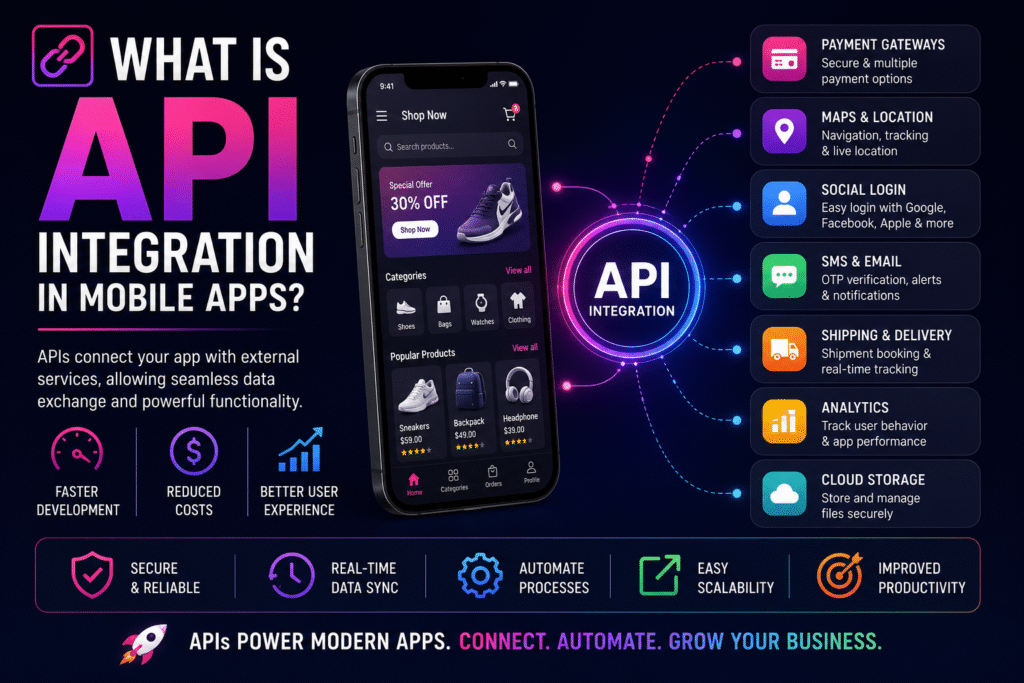
When planning to build a mobile app, one of the first questions businesses ask is: Should we develop for Android, iOS, or both using cross-platform technology? Choosing the right platform affects your development cost, timeline, user reach, and overall success of the app. Each option has its own advantages and limitations. Let’s explore the differences to help you decide which is best for your business. 🤖 Android App Development Android is the most widely used mobile operating system in the world. ✅ Advantages of Android Apps ✔ Large global user base✔ Wider device compatibility✔ Flexible development environment✔ Easier app publishing process Android apps are ideal for businesses targeting large and diverse audiences, especially in markets like India. ❌ Limitations Device fragmentation (many screen sizes and devices) Testing can be more complex Despite this, Android remains one of the most popular platforms for businesses. 🍏 iOS App Development iOS apps run on Apple devices like iPhones and iPads. ✅ Advantages of iOS Apps ✔ Premium user experience✔ Higher revenue potential✔ Strong security and privacy✔ Loyal Apple user base Businesses targeting premium customers or international markets often prioritize iOS apps. ❌ Limitations Smaller user base compared to Android Higher development guidelines and restrictions App Store approval process can be strict However, iOS apps are known for performance and quality. 🔄 Cross-Platform App Development Cross-platform development allows a single codebase to run on both Android and iOS. Technologies like Flutter or React Native make this possible. ✅ Advantages of Cross-Platform Apps ✔ Faster development✔ Lower development cost✔ Single codebase for multiple platforms✔ Easier maintenance and updates Cross-platform is ideal for startups and businesses wanting to launch on both platforms quickly. ❌ Limitations Some performance limitations for complex apps Advanced features may require platform-specific coding 📊 Quick Comparison Feature Android iOS Cross-Platform Development Cost Medium Medium Lower Development Time Medium Medium Faster Audience Reach Very High Moderate Very High Performance High Very High High Maintenance Separate Separate Easier 🎯 Which One Should You Choose? Choose Android if: ✔ Your target audience is large and diverse✔ You are focusing on markets like India✔ You want broader device reach Choose iOS if: ✔ Your target audience uses Apple devices✔ You want premium brand positioning✔ Your focus is global or high-income markets Choose Cross-Platform if: ✔ You want both Android and iOS apps✔ You want to reduce development cost✔ You want faster launch time✔ You are building an MVP or startup product 💡 Final Thoughts There is no one-size-fits-all answer. The best platform depends on your business goals, target audience, and budget. Many businesses today start with cross-platform development to launch faster and reach more users. Choosing the right strategy ensures your mobile app delivers maximum value and long-term success. Submit your request Recent Post What Is Custom Software?
DEVELOPMENT

🚨 Why Most App Development Projects Fail And How to Avoid It

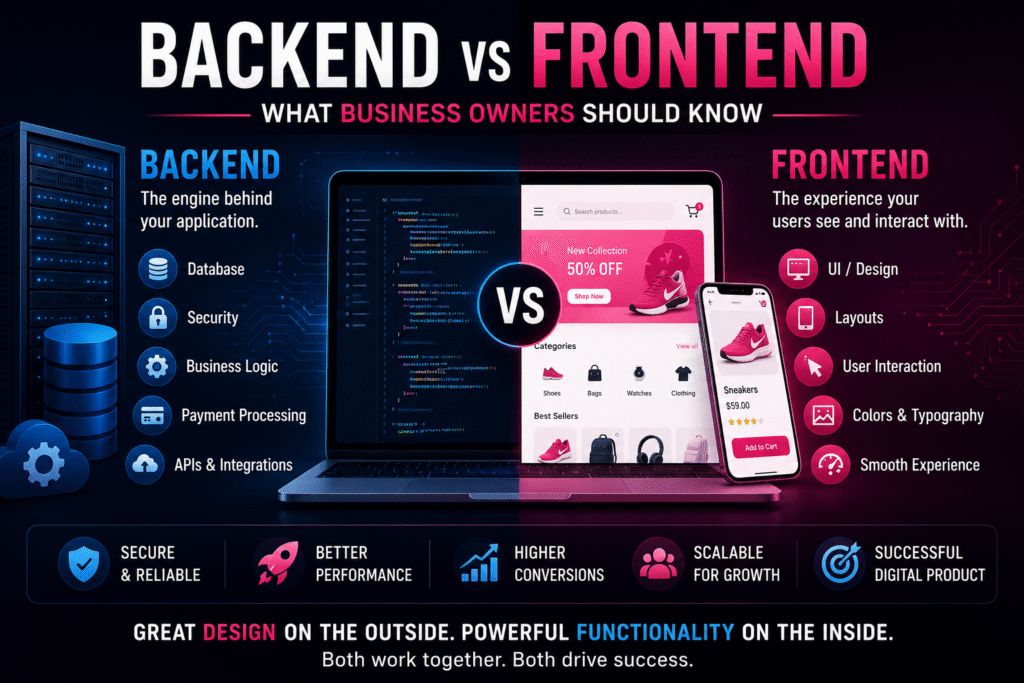
Mobile apps are powerful tools for business growth, customer engagement, and digital transformation. However, many app development projects fail before achieving their goals. According to industry reports, a large percentage of mobile apps fail due to poor planning, lack of strategy, or misunderstanding user needs. The good news is that these failures can be avoided with the right approach. Let’s explore the common reasons why app development projects fail and how your business can avoid these mistakes. ⚠️ 1. Lack of Clear Business Goals One of the biggest reasons app projects fail is the absence of a clear objective. Many businesses build apps simply because competitors have one, without defining what the app should achieve. Common unclear goals: “We need an app because everyone has one.” “Let’s build something and see what happens.” How to Avoid It Define clear goals such as: ✔ Increasing customer engagement✔ Generating online sales✔ Automating business processes✔ Improving customer service A clear purpose ensures the app delivers real value. 📊 2. Poor Market Research Building an app without understanding your audience is a major risk. If your app doesn’t solve a real problem, users won’t download or continue using it. How to Avoid It Conduct research to understand: Your target audience Competitor apps User expectations Market demand Research ensures your app fills a real need. 🎨 3. Bad User Experience (UX) Many apps fail because they are difficult to use. Common UX issues include: Complicated navigation Slow loading times Cluttered interface Too many steps to complete tasks Users abandon apps quickly if they feel frustrated. How to Avoid It Focus on: ✔ Simple design✔ Fast performance✔ Clear navigation✔ Smooth user journey User experience should always be a priority. 💰 4. Budget Mismanagement Some businesses underestimate the cost of app development. As a result, projects get delayed or abandoned halfway. How to Avoid It Plan for: Development costs Design costs Testing and QA Post-launch maintenance A realistic budget keeps the project stable. 🧩 5. Too Many Features at Launch Trying to include every possible feature in the first version often leads to delays and complexity. How to Avoid It Start with an MVP (Minimum Viable Product) that includes only core features. This allows you to: ✔ Launch faster✔ Test the market✔ Improve based on user feedback 🧪 6. Insufficient Testing Skipping proper testing leads to bugs, crashes, and poor performance. A buggy app quickly loses user trust. How to Avoid It Ensure proper testing for: Functionality Performance Security Device compatibility Quality assurance is essential before launch. 📉 7. No Marketing Strategy Many businesses assume that once the app is launched, users will automatically find it. Unfortunately, that rarely happens. How to Avoid It Plan marketing strategies such as: App Store Optimization (ASO) Social media promotion Paid advertising Influencer collaborations Marketing is critical for app adoption. 🔄 8. Ignoring Post-Launch Updates An app is not a one-time project. Without updates, apps become outdated, insecure, and irrelevant. How to Avoid It Regularly update your app with: ✔ Bug fixes✔ Security improvements✔ New features✔ Performance upgrades Continuous improvement keeps users engaged. 💡 Final Thoughts App development failures usually occur due to poor planning, unrealistic expectations, and lack of user focus. However, businesses that follow the right development strategy can build successful, scalable mobile applications. A successful app requires: ✔ Clear goals✔ Market research✔ Strong UX design✔ Proper testing✔ Continuous updates With the right approach and development team, your app can become a powerful tool for business growth. Submit your request Recent Post What Is Custom Software?
Uncategorized

📱 How Long Does It Take to Develop a Mobile App? Realistic Timeline Breakdown

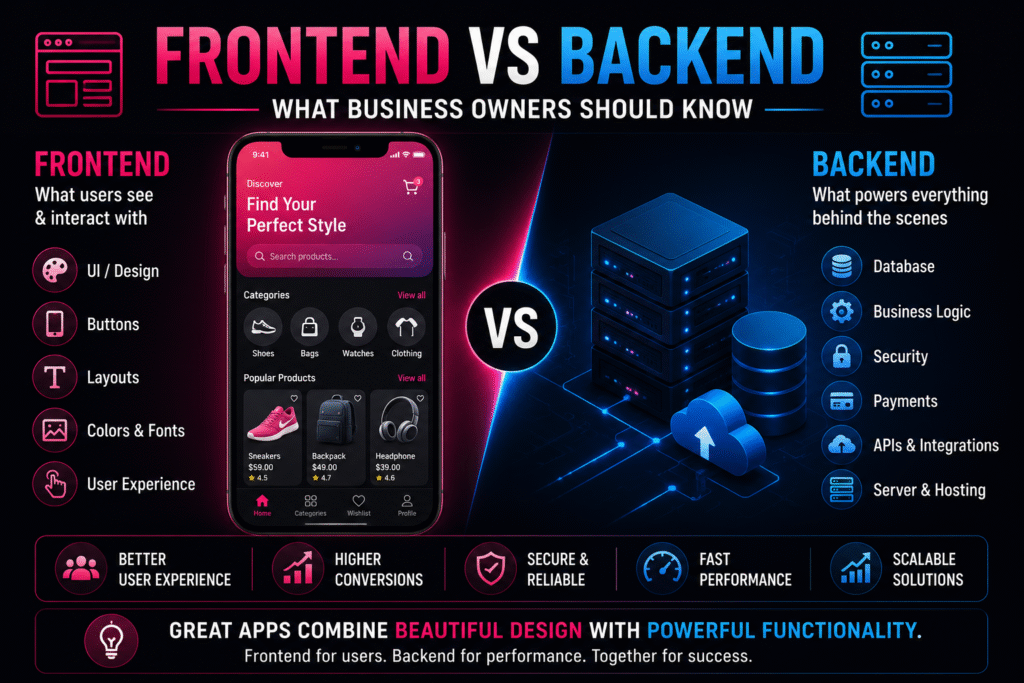
One of the most common questions businesses ask before starting a mobile app project is: “How long will it take to develop my app?” The honest answer? It depends. Mobile app development timelines vary based on complexity, features, platform, and team experience. In this blog, we’ll break down a realistic timeline so you can plan your project effectively in 2026. ⏳ Average Mobile App Development Timeline On average: Simple App: 2–4 months Medium Complexity App: 4–7 months Complex App: 7–12+ months Let’s break it down phase by phase. 🧠 1. Discovery & Planning (2–4 Weeks) This is the foundation stage where everything is planned before development begins. Includes: Requirement gathering Market research Competitor analysis Feature listing Project roadmap Skipping this phase often leads to delays later. 🎨 2. UI/UX Design (3–6 Weeks) Before coding starts, designers create: Wireframes User flow diagrams Visual mockups Interactive prototypes A well-designed app improves user experience and reduces development rework. 👨‍💻 3. Development Phase (8–20 Weeks) This is the core stage where developers build: Frontend (what users see) Backend (server, database, APIs) Admin panel Third-party integrations Timeline Based on Complexity: 🟢 Simple App (8–12 Weeks) ✔ Basic screens✔ No complex backend✔ Minimal integrations 🟡 Medium App (12–18 Weeks) ✔ User login system✔ API integrations✔ Push notifications✔ Admin dashboard 🔴 Complex App (20+ Weeks) ✔ Payment gateways✔ Chat systems✔ Real-time features✔ AI integrations✔ Advanced backend architecture 🧪 4. Testing & Quality Assurance (2–4 Weeks) Before launch, the app is tested for: Bugs Performance issues Security vulnerabilities Device compatibility Proper testing ensures smooth performance after release. 🚀 5. Deployment & Launch (1–2 Weeks) This includes: App Store & Play Store submission Approval process Final optimizations Live server setup Store approvals may take additional time depending on compliance. 📊 Total Development Timeline Summary App Type Estimated Timeline Basic App 2–4 Months Medium App 4–7 Months Complex App 7–12+ Months ⚡ Factors That Affect Development Time Several elements can increase or reduce your timeline: ✔ Number of features✔ Android vs iOS vs both✔ Custom UI/UX requirements✔ Backend complexity✔ Third-party integrations✔ Team size & experience✔ Change requests during development Clear planning significantly reduces delays. 💡 Can You Launch Faster? Yes. Here’s how: Start with an MVP (Minimum Viable Product) Use cross-platform frameworks Finalize features before development Work with an experienced development team Launching an MVP first allows faster market entry and real user feedback. 🎯 Final Thoughts Mobile app development is not just about coding — it’s about strategy, design, testing, and execution. While simple apps can be built in a few months, advanced apps require careful planning and structured development. The key is not just building fast — but building right. A well-planned app saves time, money, and future headaches. Submit your request Recent Post What Is Custom Software?
DEVELOPMENT

📱 Custom App Development vs Ready-Made Solutions: Which Is Better for Businesses?

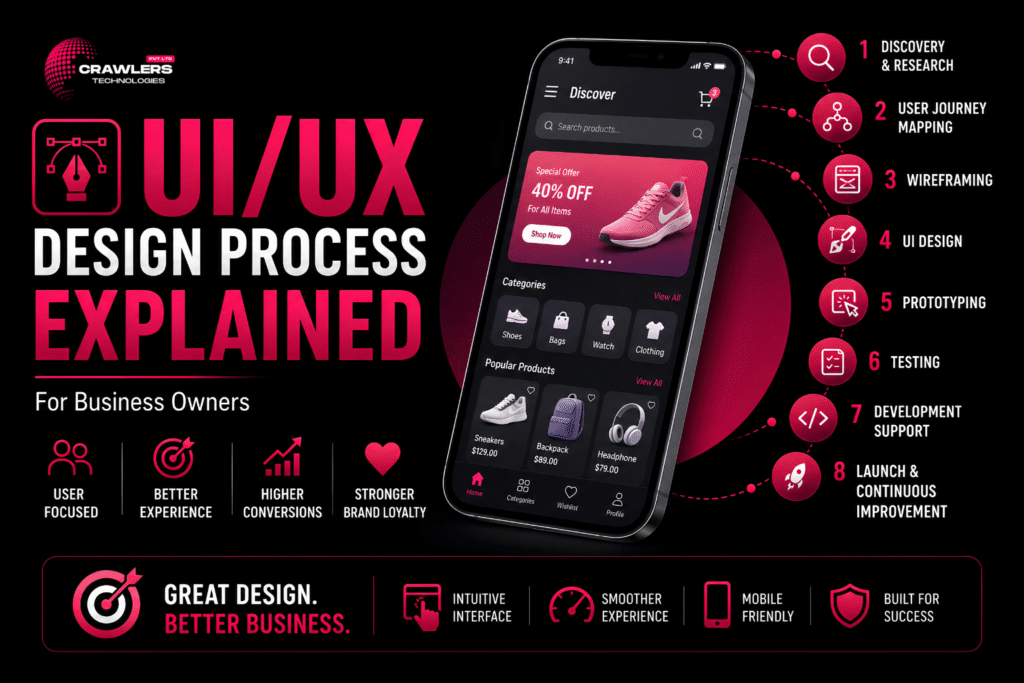
The Truth Nobody Tells You — Until Now In 2026, businesses are rapidly adopting mobile apps and digital platforms to stay competitive. But one major question arises before starting a project: Should you choose custom app development or a ready-made solution? Both options have advantages and limitations. The right choice depends on your business goals, budget, and long-term vision. Let’s break it down clearly. 🔹 What Is Custom App Development? Custom app development means building an application from scratch based on your specific business requirements. It is designed exclusively for your company, your workflows, and your customers. ✅ Advantages of Custom Apps Tailored to your exact needs Scalable as your business grows Better performance & security Unique design and branding Competitive advantage ❌ Disadvantages Higher initial investment Longer development time Custom apps are ideal for businesses planning long-term growth and innovation. 🔹 What Are Ready-Made Solutions? Ready-made solutions (also called off-the-shelf apps) are pre-built applications that can be purchased or subscribed to. They are designed for general use and can be quickly implemented. ✅ Advantages of Ready-Made Solutions Lower upfront cost Faster launch Minimal development time Suitable for small businesses or startups ❌ Disadvantages Limited customization Generic design Limited scalability Dependency on third-party provider Ongoing subscription costs They work well for businesses that need a quick and simple solution. 📊 Cost Comparison Factor Custom App Ready-Made Solution Initial Cost Higher Lower Customization Fully customizable Limited Scalability High Limited Ownership Full ownership Vendor dependent Long-Term ROI High Moderate While ready-made apps appear cheaper initially, custom apps often provide better long-term returns. 🚀 Which One Is Better for Your Business? Choose Custom App Development If: ✔ You want a unique brand experience✔ You need advanced features✔ You plan to scale✔ Security is critical✔ You want full control Choose Ready-Made Solutions If: ✔ You have a limited budget✔ You need a quick launch✔ Your requirements are simple✔ You are testing a new business idea 🧠 Long-Term Perspective Matters Many businesses start with ready-made solutions but later switch to custom apps due to limitations. If your goal is sustainable growth, flexibility, and innovation, custom development is usually the smarter investment. 💡 Final Thoughts There is no universal answer — the best choice depends on your business stage and vision. However, in 2026, businesses aiming for serious growth, automation, and competitive advantage increasingly prefer custom app development. Investing in the right solution today can save time, money, and effort tomorrow. Submit your request Recent Post What Is Custom Software?
DEVELOPMENT

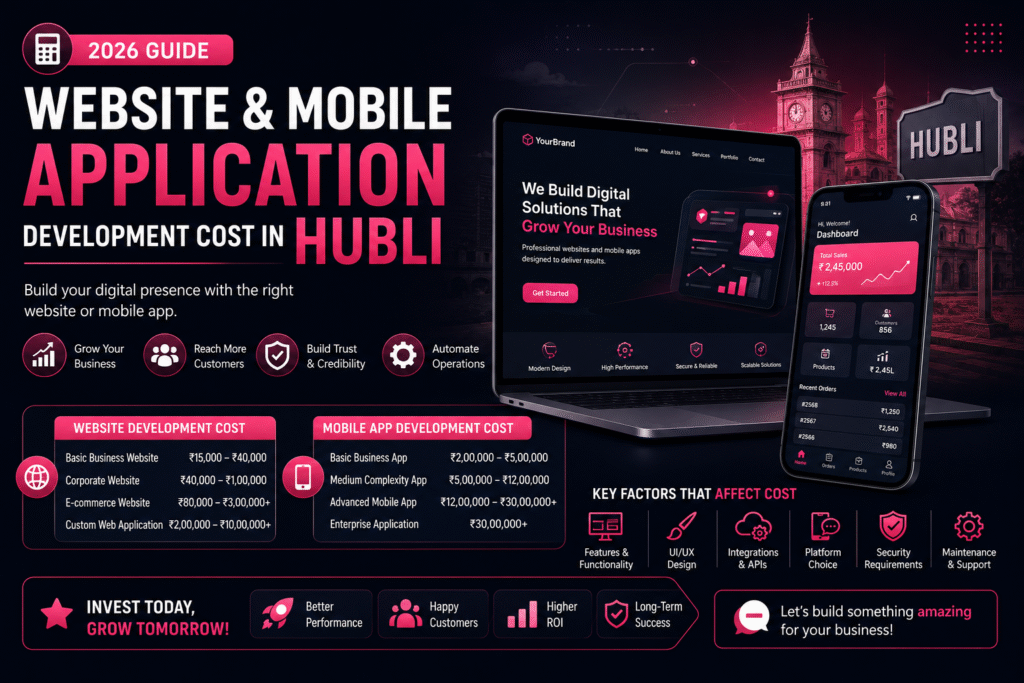
How Much Does It Cost to Build a Mobile App in India in 2026?

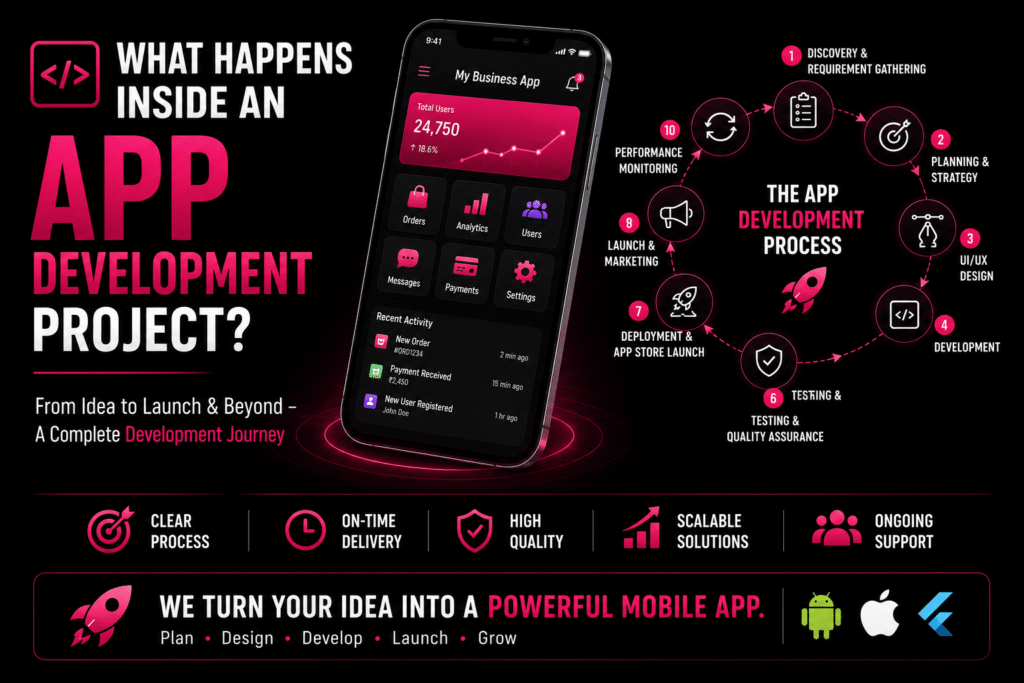
The Truth Nobody Tells You — Until Now 🧠 Before We Talk Numbers — Ask Yourself This Every founder, entrepreneur, or business owner who ever built an app started in the same place you are right now. Excited. A little nervous. And completely unsure whether their idea was worth the investment. Here’s the uncomfortable truth: the wrong question to ask is “How much does an app cost?” The RIGHT question is: “How much is NOT building this app costing me every single day?” Think about it. Every day without your app is a day your competitor gets a step ahead. A day customers go elsewhere. A day revenue leaks through the cracks of a broken process. Now that we’ve reframed your mindset — let’s give you the real numbers. 📊 The Indian App Market in 2026: Why Timing Is Everything India is now the world’s second-largest smartphone market with over 900 million active users. India’s app economy crossed ₹2.5 lakh crore in 2025. Investors poured billions into Indian tech startups — and the #1 thing they look for? A working app. Here’s the psychological trigger most founders miss: “The best time to build your app was 2 years ago. The second best time is TODAY.” Every month you delay, the market gets more crowded. Your idea gets less unique. Your opportunity gets smaller. 💰 Real App Development Costs in India — 2026 Edition Let’s strip away the vague ranges and give you actual, honest pricing based on what Indian development agencies are charging right now in 2026. Tier 1: Simple Apps (Basic MVP) App Type Cost (INR) Timeline Basic CRUD App ₹1,50,000 – ₹4,00,000 4–8 Weeks Informational / Brochure App ₹80,000 – ₹1,50,000 2–4 Weeks Basic E-Commerce App ₹2,00,000 – ₹5,00,000 6–10 Weeks Tier 2: Medium Complexity Apps App Type Cost (INR) Timeline On-Demand Service App (Uber-style) ₹5,00,000 – ₹12,00,000 3–6 Months Social Networking App ₹6,00,000 – ₹15,00,000 4–7 Months Healthcare / Telemedicine App ₹7,00,000 – ₹18,00,000 4–8 Months EdTech / E-Learning App ₹5,00,000 – ₹14,00,000 3–6 Months Tier 3: Complex / Enterprise Apps App Type Cost (INR) Timeline AI-Powered App ₹15,00,000 – ₹50,00,000+ 6–12 Months FinTech / Payment App ₹20,00,000 – ₹60,00,000+ 8–14 Months Full ERP / SaaS Platform ₹25,00,000 – ₹1,00,00,000+ 10–18 Months ⚡ Pro Tip: 90% of successful apps started as a Tier 1 MVP. They validated the idea first, then scaled. 🔍 The 7 Things That Actually Determine Your App’s Cost Quotes vary wildly because most agencies won’t explain what drives the price. Here’s the real breakdown: ✔  Platform Choice: Building for iOS only? Android only? Or both? Cross-platform (Flutter/React Native) can cut costs by 40%. ✔  Number of Features: Every screen, every button, every API call costs time. Time costs money. ✔  Backend Complexity: Does your app need a server? Database? Real-time sync? These multiply cost fast. ✔  Third-Party Integrations: Payment gateways (Razorpay, Stripe), maps, chat, notifications — each adds days of work. ✔  UI/UX Design Quality: Average design vs. premium design is the difference between a product users love and one they delete. ✔  Team Location: A Tier-1 city agency charges 2–3x more than an equally skilled Tier-2 city partner (like Hubli). ✔  Post-Launch Support: Don’t forget maintenance. Apps need updates, bug fixes, and scaling support — budget 15–20% of build cost annually. 🚫 The Dangerous Illusion of the “Cheap App” A client once hired a ₹30,000 freelancer to build their food delivery app. The app crashed every time 10 users logged in simultaneously. The freelancer had disappeared. No source code. No documentation. The client spent ₹8,00,000 to rebuild it from scratch — and lost 6 months of market timing. That ₹30,000 “saving” cost them ₹8,00,000 + 6 months. This is called the False Economy Trap. And thousands of Indian entrepreneurs fall into it every year. Cheap apps fail because: ✔  No proper architecture — they can’t scale ✔  No security — user data is at risk ✔  No documentation — you’re held hostage by one developer ✔  No testing — bugs destroy your reputation and your Play Store ratings The psychological pain of losing ₹30,000 feels smaller. But the actual cost? Catastrophic. 🇮🇳 Why India (Specifically Tier-2 Cities) Is Your Unfair Advantage Global brands like Google, Microsoft, Amazon, and Apple all have massive R&D centers in India — not because it’s cheap, but because Indian talent is world-class. But here’s the insider secret: Tier-2 city agencies like those in Hubli, Pune, Indore, and Coimbatore deliver the same quality as metro agencies at 30–50% lower cost — because their overhead is lower. Comparison: Same App, Different Locations 🇺🇸 US Agency: ₹80,00,000+ 🏙️ Bangalore/Mumbai Agency: ₹20,00,000–₹35,00,000 🌟 Tier-2 City Expert Agency (e.g., Hubli): ₹8,00,000–₹18,00,000 — Same quality. Better value. ⚠️ Hidden Costs That Will Shock You (If You’re Not Prepared) Most agencies quote only the build cost. Here’s what they don’t mention upfront: ✔  App Store Fees: Google Play costs ₹2,000 (one-time). Apple App Store costs $99/year (~₹8,300/year). ✔  Server / Cloud Hosting: AWS/GCP/Azure: ₹5,000–₹50,000/month depending on traffic. ✔  Third-Party API Costs: SMS OTPs (₹0.10/message), Payment gateway (2% per transaction), Maps API, Push notifications. ✔  Annual Maintenance: Budget 15–20% of your build cost annually for updates and bug fixes. ✔  Marketing & ASO: Building the app is 50% of the job. Getting users is the other 50%. Total Cost of Ownership (TCO) is always higher than the development quote. A responsible agency tells you this upfront. Beware those who don’t. ✅ How to Choose the Right Development Partner (Without Getting Burned) Here’s a quick checklist to protect your investment: ✔  Ask to see 3+ live apps they’ve built — not mockups, actual working products ✔  Demand a detailed, itemized quote — not a round number ✔  Check if they provide a signed NDA and IP ownership clause ✔  Ask what tech stack they use and WHY (they should justify every choice) ✔  Verify post-launch support policy — what happens if there’s a bug in Month 4? ✔  Look for reviews on Google, Clutch, or

marketing

🚀 Key Features of a High-Converting Business Website

In today’s competitive digital market, having a website is not enough. Your website must convert visitors into leads, inquiries, and paying customers. A high-converting business website is strategically designed to guide users toward taking action — whether that’s filling out a form, making a purchase, or contacting your team. Let’s explore the key features that make a website truly effective and conversion-focused. 🎯 1. Clear Value Proposition Within the first 5 seconds of visiting your website, users should understand: What you offer Who you serve Why they should choose you A strong headline and subheadline immediately communicate your unique value and encourage visitors to explore further. ⚡ 2. Fast Loading Speed Speed directly impacts conversions. If your website takes more than 3 seconds to load, most users will leave. To improve speed: Optimize images Use lightweight code Enable caching Choose reliable hosting A faster website improves both user experience and SEO rankings. 📱 3. Mobile-Responsive Design More than half of website traffic comes from mobile devices. A high-converting website must: Adapt perfectly to all screen sizes Have easy-to-click buttons Offer smooth navigation Load quickly on mobile networks Mobile optimization is no longer optional — it’s essential. 🧭 4. Simple & Intuitive Navigation Visitors should find information easily without confusion. Effective navigation includes: Clear menu structure Logical page hierarchy Minimal distractions Easy access to important pages Confused users don’t convert. 🔥 5. Strong Call-to-Action (CTA) Every page should guide users toward action. Examples of powerful CTAs: Get a Free Quote Book a Consultation Contact Us Today Start Your Project CTAs should be visible, compelling, and strategically placed throughout the website. 🛡️ 6. Trust Signals & Social Proof People buy from brands they trust. Add credibility with: Client testimonials Case studies Certifications Google reviews Secure payment badges Trust elements reduce hesitation and increase conversions. 📊 7. SEO-Optimized Structure A high-converting website must also attract traffic. SEO optimization includes: Keyword-focused content Proper headings (H1, H2, H3) Meta tags Internal linking Image alt text Without traffic, conversions cannot happen. 🎨 8. Professional & Modern Design First impressions matter. A clean and modern design: Builds brand authority Increases user engagement Reflects professionalism Improves readability Outdated design can damage credibility instantly. 🧠 9. Engaging & Persuasive Content Your content should: Address customer pain points Highlight solutions Focus on benefits, not just features Be clear and easy to understand Persuasive copywriting plays a major role in boosting conversion rates. 🔐 10. Secure & Reliable Infrastructure Security builds confidence. Ensure your website has: HTTPS encryption Secure forms Data protection measures Regular maintenance A secure website protects both your business and customers. 💡 Final Thoughts A high-converting business website is a combination of strategy, design, performance, and psychology. When built correctly, your website becomes: ✔ A 24/7 sales tool✔ A lead generation machine✔ A brand credibility booster✔ A growth engine for your business If your website is not converting visitors into customers, it’s time to upgrade. Submit your request Recent Post What Is Custom Software?
demo, DEVELOPMENT

🔍 What is SEO and Why Your Business Needs It ?

In today’s digital world, simply having a website is not enough. If your potential customers cannot find your business on Google, your website is practically invisible. This is where SEO (Search Engine Optimization) plays a crucial role. SEO helps your website rank higher on search engines, attract the right audience, and generate consistent business growth. Let’s understand what SEO is and why your business truly needs it. 🌐 What is SEO? SEO (Search Engine Optimization) is the process of improving your website’s visibility on search engines like Google. When someone searches for: “Best web development company near me” “Digital marketing services in Hubli” “E-commerce website development” SEO helps your website appear at the top of search results. The higher your ranking, the more traffic your website receives. ⚙️ How SEO Works SEO works by optimizing different elements of your website, including: ✅ On-Page SEO Keyword optimization Quality content Proper headings and structure Image optimization Internal linking ✅ Off-Page SEO Backlinks from trusted websites Social media signals Brand mentions ✅ Technical SEO Fast website loading speed Mobile responsiveness Secure HTTPS connection Proper site structure All these factors help search engines understand your website better and rank it higher. 🚀 Why Your Business Needs SEO 1️⃣ Increases Website Traffic Most users click on websites that appear on the first page of Google. SEO helps you reach that position and drive organic traffic. 2️⃣ Builds Credibility & Trust People trust search engines. If your business appears at the top, customers automatically see you as more reliable and professional. 3️⃣ Generates Quality Leads SEO brings users who are actively searching for your services. This means higher chances of converting visitors into customers. 4️⃣ Cost-Effective Marketing Strategy Unlike paid ads, SEO provides long-term results. Once your website ranks well, you continue receiving traffic without paying for every click. 5️⃣ Gives Competitive Advantage Your competitors are investing in SEO. If you ignore it, they will capture your market share. Ranking higher means more visibility, more inquiries, and more sales. 📱 SEO Supports Local Business Growth Local SEO helps businesses appear in: Google Maps “Near me” searches Local service searches If you serve customers in specific cities, local SEO is extremely powerful for attracting nearby clients. 💡 Final Thoughts SEO is not just about ranking — it is about growth, visibility, and long-term success. A strong SEO strategy helps your business: ✔ Increase online visibility✔ Attract targeted customers✔ Build brand authority✔ Generate consistent leads✔ Grow sustainably If you want your website to work as a 24/7 lead generation machine, investing in SEO is essential. Submit your request Recent Post What Is Custom Software?
Scroll to Top