
DEVELOPMENT

DEVELOPMENT

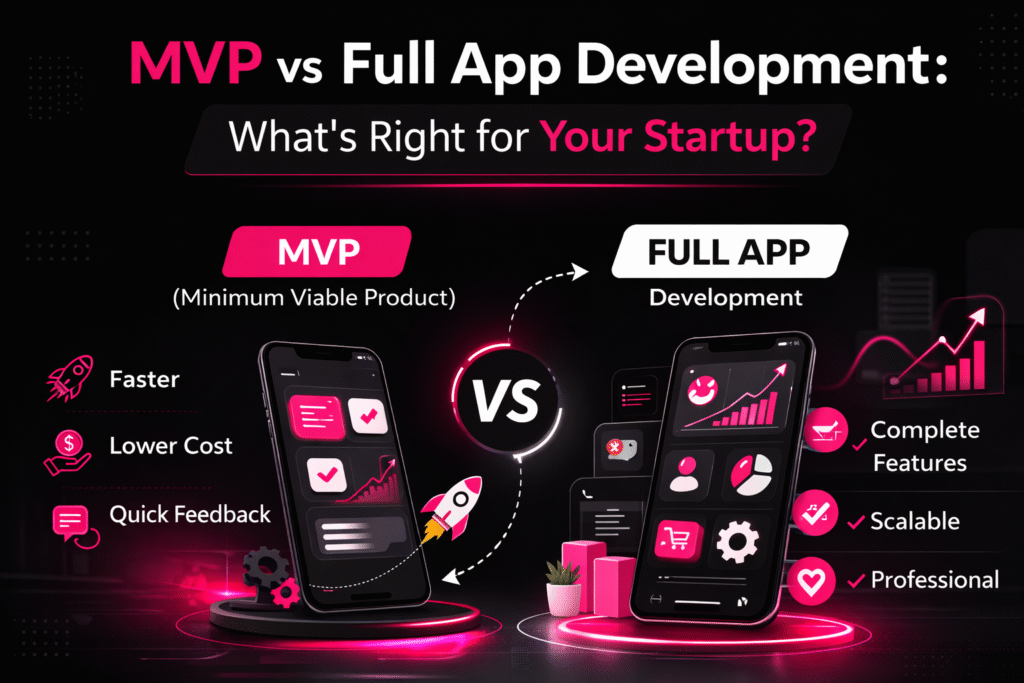
🚀 MVP vs Full App Development: What’s Right for Your Startup?

For startups planning to launch a mobile app, one of the biggest decisions is choosing between building a Minimum Viable Product (MVP) or developing a full-featured app from the beginning. Both approaches have their advantages, and the right choice depends on your business goals, budget, and market strategy. Let’s understand the difference and which option is best for your startup. 📱 What is an MVP (Minimum Viable Product)? An MVP is a simplified version of your app that includes only the core features necessary to solve a specific problem for users. Instead of building a complex product immediately, startups launch an MVP to test their idea in the market. Key Characteristics of an MVP Limited but essential features Faster development Lower development cost Focus on testing market demand The goal of an MVP is to validate your business idea before investing heavily in development. 🎯 Benefits of Building an MVP ⚡ Faster Time to Market An MVP allows startups to launch their product quickly and start attracting users. 💰 Lower Development Cost Since only essential features are built, the cost is significantly lower compared to a full application. 📊 Real User Feedback Once the MVP is launched, startups can collect feedback from real users and improve the app based on actual demand. 🔄 Easier Product Improvements Startups can continuously update and improve the app based on user behavior and feedback. 🧩 What is Full App Development? Full app development involves building a complete product with all planned features, integrations, and advanced functionalities before launch. This approach is often used by businesses that already have: A validated idea Sufficient budget A clear product roadmap A full app is designed to provide a complete user experience from day one. 💡 Benefits of Full App Development 🎨 Complete Feature Set Users get access to all features and functionality immediately. 🏆 Strong Brand Presence A fully developed app creates a professional and polished impression in the market. 📈 Scalable Architecture Full development allows businesses to design an app that supports long-term growth. 📊 MVP vs Full App Development Comparison Feature MVP Full App Development Time Short Long Development Cost Lower Higher Features Basic Complete Risk Level Lower Higher Market Validation Yes Limited 🧠 Which One Should Your Startup Choose? Choose an MVP if: ✔ You are testing a new idea✔ You want to validate product-market fit✔ You have a limited budget✔ You want faster launch Choose Full App Development if: ✔ Your product idea is already validated✔ You have strong funding✔ You want a complete solution from the start✔ Your app requires complex functionality 💡 Final Thoughts For most startups, launching an MVP first is the smarter approach. It reduces risk, saves money, and helps you understand real user needs before scaling. Once the MVP proves successful, you can expand it into a fully featured application. This step-by-step approach allows startups to build better products while minimizing development risks. Submit your request Recent Post What Is Custom Software?
DEVELOPMENT

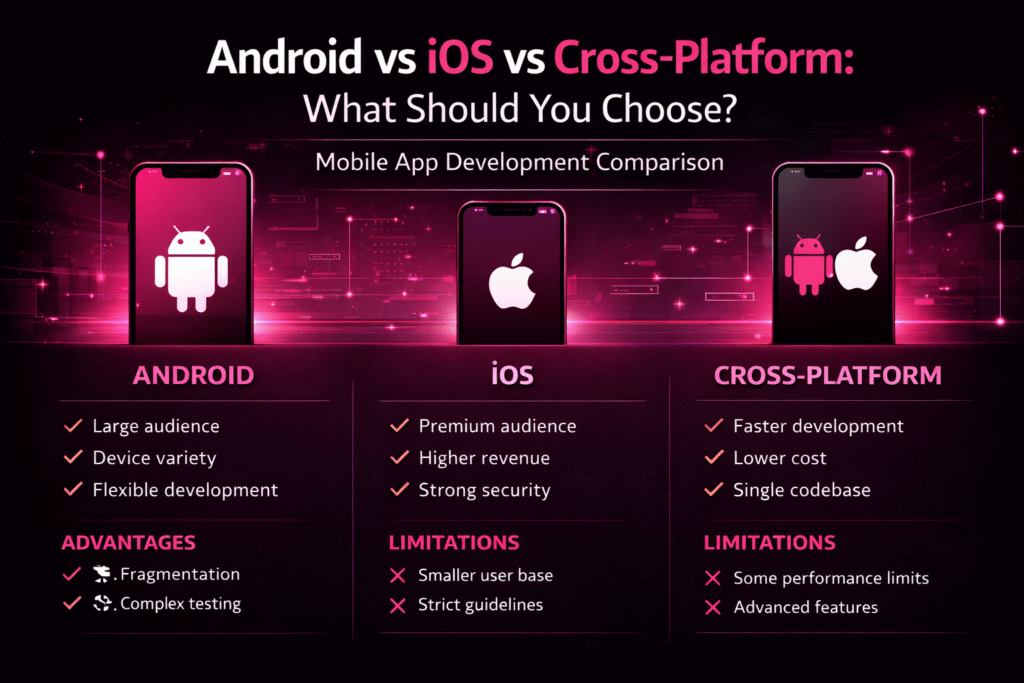
📱 Android vs iOS vs Cross-Platform: What Should You Choose?

When planning to build a mobile app, one of the first questions businesses ask is: Should we develop for Android, iOS, or both using cross-platform technology? Choosing the right platform affects your development cost, timeline, user reach, and overall success of the app. Each option has its own advantages and limitations. Let’s explore the differences to help you decide which is best for your business. 🤖 Android App Development Android is the most widely used mobile operating system in the world. ✅ Advantages of Android Apps ✔ Large global user base✔ Wider device compatibility✔ Flexible development environment✔ Easier app publishing process Android apps are ideal for businesses targeting large and diverse audiences, especially in markets like India. ❌ Limitations Device fragmentation (many screen sizes and devices) Testing can be more complex Despite this, Android remains one of the most popular platforms for businesses. 🍏 iOS App Development iOS apps run on Apple devices like iPhones and iPads. ✅ Advantages of iOS Apps ✔ Premium user experience✔ Higher revenue potential✔ Strong security and privacy✔ Loyal Apple user base Businesses targeting premium customers or international markets often prioritize iOS apps. ❌ Limitations Smaller user base compared to Android Higher development guidelines and restrictions App Store approval process can be strict However, iOS apps are known for performance and quality. 🔄 Cross-Platform App Development Cross-platform development allows a single codebase to run on both Android and iOS. Technologies like Flutter or React Native make this possible. ✅ Advantages of Cross-Platform Apps ✔ Faster development✔ Lower development cost✔ Single codebase for multiple platforms✔ Easier maintenance and updates Cross-platform is ideal for startups and businesses wanting to launch on both platforms quickly. ❌ Limitations Some performance limitations for complex apps Advanced features may require platform-specific coding 📊 Quick Comparison Feature Android iOS Cross-Platform Development Cost Medium Medium Lower Development Time Medium Medium Faster Audience Reach Very High Moderate Very High Performance High Very High High Maintenance Separate Separate Easier 🎯 Which One Should You Choose? Choose Android if: ✔ Your target audience is large and diverse✔ You are focusing on markets like India✔ You want broader device reach Choose iOS if: ✔ Your target audience uses Apple devices✔ You want premium brand positioning✔ Your focus is global or high-income markets Choose Cross-Platform if: ✔ You want both Android and iOS apps✔ You want to reduce development cost✔ You want faster launch time✔ You are building an MVP or startup product 💡 Final Thoughts There is no one-size-fits-all answer. The best platform depends on your business goals, target audience, and budget. Many businesses today start with cross-platform development to launch faster and reach more users. Choosing the right strategy ensures your mobile app delivers maximum value and long-term success. Submit your request Recent Post What Is Custom Software?
DEVELOPMENT

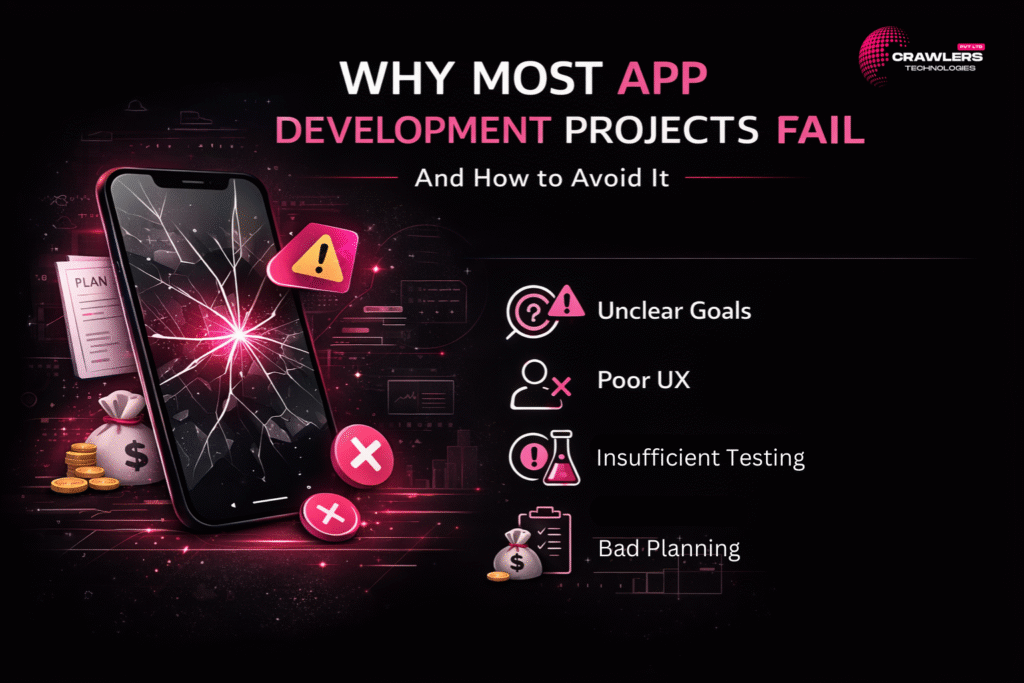
🚨 Why Most App Development Projects Fail And How to Avoid It

Mobile apps are powerful tools for business growth, customer engagement, and digital transformation. However, many app development projects fail before achieving their goals. According to industry reports, a large percentage of mobile apps fail due to poor planning, lack of strategy, or misunderstanding user needs. The good news is that these failures can be avoided with the right approach. Let’s explore the common reasons why app development projects fail and how your business can avoid these mistakes. ⚠️ 1. Lack of Clear Business Goals One of the biggest reasons app projects fail is the absence of a clear objective. Many businesses build apps simply because competitors have one, without defining what the app should achieve. Common unclear goals: “We need an app because everyone has one.” “Let’s build something and see what happens.” How to Avoid It Define clear goals such as: ✔ Increasing customer engagement✔ Generating online sales✔ Automating business processes✔ Improving customer service A clear purpose ensures the app delivers real value. 📊 2. Poor Market Research Building an app without understanding your audience is a major risk. If your app doesn’t solve a real problem, users won’t download or continue using it. How to Avoid It Conduct research to understand: Your target audience Competitor apps User expectations Market demand Research ensures your app fills a real need. 🎨 3. Bad User Experience (UX) Many apps fail because they are difficult to use. Common UX issues include: Complicated navigation Slow loading times Cluttered interface Too many steps to complete tasks Users abandon apps quickly if they feel frustrated. How to Avoid It Focus on: ✔ Simple design✔ Fast performance✔ Clear navigation✔ Smooth user journey User experience should always be a priority. 💰 4. Budget Mismanagement Some businesses underestimate the cost of app development. As a result, projects get delayed or abandoned halfway. How to Avoid It Plan for: Development costs Design costs Testing and QA Post-launch maintenance A realistic budget keeps the project stable. 🧩 5. Too Many Features at Launch Trying to include every possible feature in the first version often leads to delays and complexity. How to Avoid It Start with an MVP (Minimum Viable Product) that includes only core features. This allows you to: ✔ Launch faster✔ Test the market✔ Improve based on user feedback 🧪 6. Insufficient Testing Skipping proper testing leads to bugs, crashes, and poor performance. A buggy app quickly loses user trust. How to Avoid It Ensure proper testing for: Functionality Performance Security Device compatibility Quality assurance is essential before launch. 📉 7. No Marketing Strategy Many businesses assume that once the app is launched, users will automatically find it. Unfortunately, that rarely happens. How to Avoid It Plan marketing strategies such as: App Store Optimization (ASO) Social media promotion Paid advertising Influencer collaborations Marketing is critical for app adoption. 🔄 8. Ignoring Post-Launch Updates An app is not a one-time project. Without updates, apps become outdated, insecure, and irrelevant. How to Avoid It Regularly update your app with: ✔ Bug fixes✔ Security improvements✔ New features✔ Performance upgrades Continuous improvement keeps users engaged. 💡 Final Thoughts App development failures usually occur due to poor planning, unrealistic expectations, and lack of user focus. However, businesses that follow the right development strategy can build successful, scalable mobile applications. A successful app requires: ✔ Clear goals✔ Market research✔ Strong UX design✔ Proper testing✔ Continuous updates With the right approach and development team, your app can become a powerful tool for business growth. Submit your request Recent Post What Is Custom Software?
DEVELOPMENT

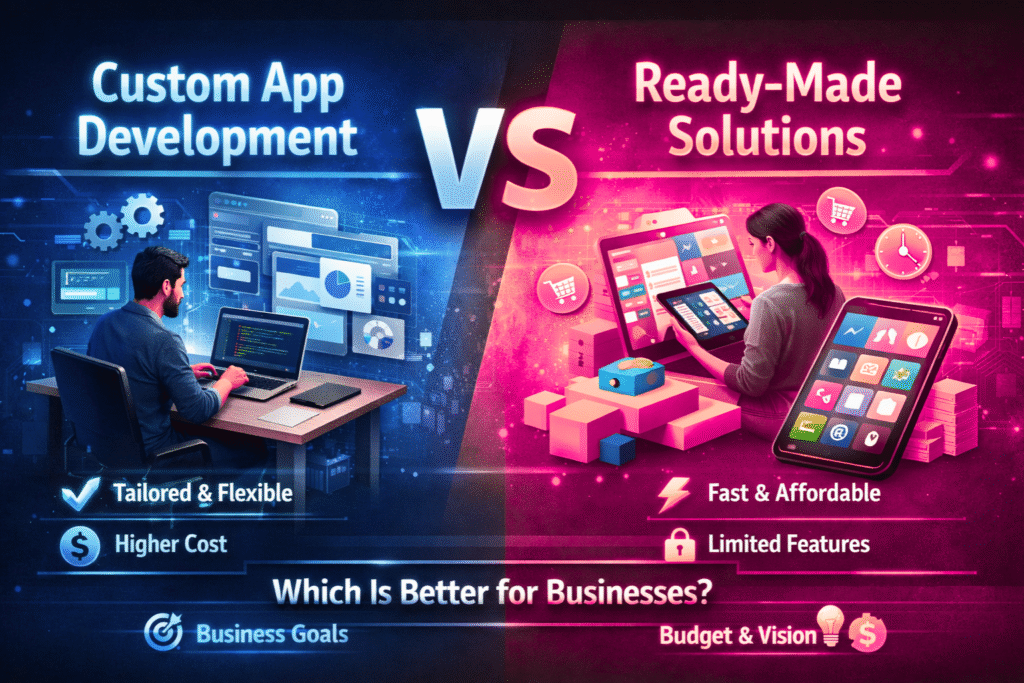
📱 Custom App Development vs Ready-Made Solutions: Which Is Better for Businesses?

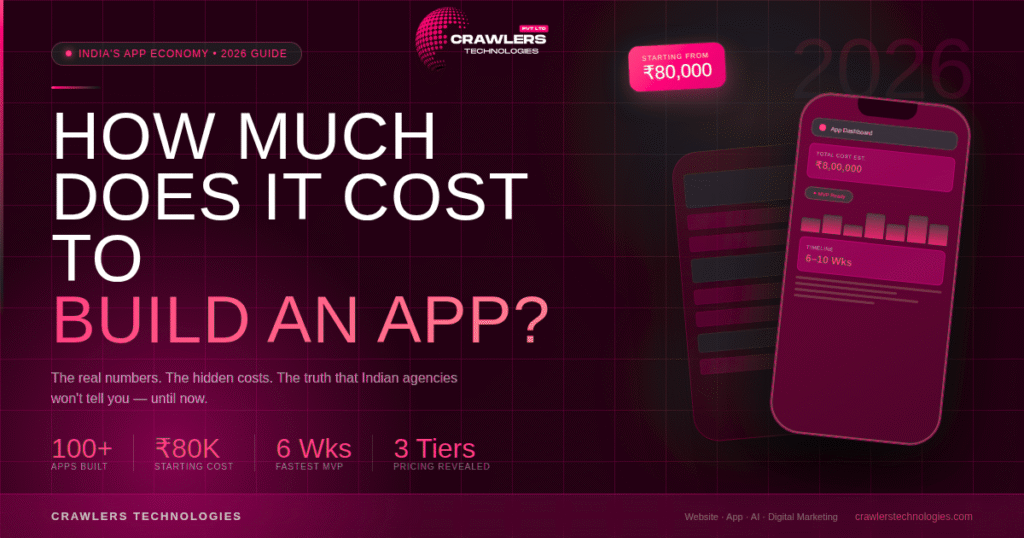
The Truth Nobody Tells You — Until Now In 2026, businesses are rapidly adopting mobile apps and digital platforms to stay competitive. But one major question arises before starting a project: Should you choose custom app development or a ready-made solution? Both options have advantages and limitations. The right choice depends on your business goals, budget, and long-term vision. Let’s break it down clearly. 🔹 What Is Custom App Development? Custom app development means building an application from scratch based on your specific business requirements. It is designed exclusively for your company, your workflows, and your customers. ✅ Advantages of Custom Apps Tailored to your exact needs Scalable as your business grows Better performance & security Unique design and branding Competitive advantage ❌ Disadvantages Higher initial investment Longer development time Custom apps are ideal for businesses planning long-term growth and innovation. 🔹 What Are Ready-Made Solutions? Ready-made solutions (also called off-the-shelf apps) are pre-built applications that can be purchased or subscribed to. They are designed for general use and can be quickly implemented. ✅ Advantages of Ready-Made Solutions Lower upfront cost Faster launch Minimal development time Suitable for small businesses or startups ❌ Disadvantages Limited customization Generic design Limited scalability Dependency on third-party provider Ongoing subscription costs They work well for businesses that need a quick and simple solution. 📊 Cost Comparison Factor Custom App Ready-Made Solution Initial Cost Higher Lower Customization Fully customizable Limited Scalability High Limited Ownership Full ownership Vendor dependent Long-Term ROI High Moderate While ready-made apps appear cheaper initially, custom apps often provide better long-term returns. 🚀 Which One Is Better for Your Business? Choose Custom App Development If: ✔ You want a unique brand experience✔ You need advanced features✔ You plan to scale✔ Security is critical✔ You want full control Choose Ready-Made Solutions If: ✔ You have a limited budget✔ You need a quick launch✔ Your requirements are simple✔ You are testing a new business idea 🧠 Long-Term Perspective Matters Many businesses start with ready-made solutions but later switch to custom apps due to limitations. If your goal is sustainable growth, flexibility, and innovation, custom development is usually the smarter investment. 💡 Final Thoughts There is no universal answer — the best choice depends on your business stage and vision. However, in 2026, businesses aiming for serious growth, automation, and competitive advantage increasingly prefer custom app development. Investing in the right solution today can save time, money, and effort tomorrow. Submit your request Recent Post What Is Custom Software?
DEVELOPMENT

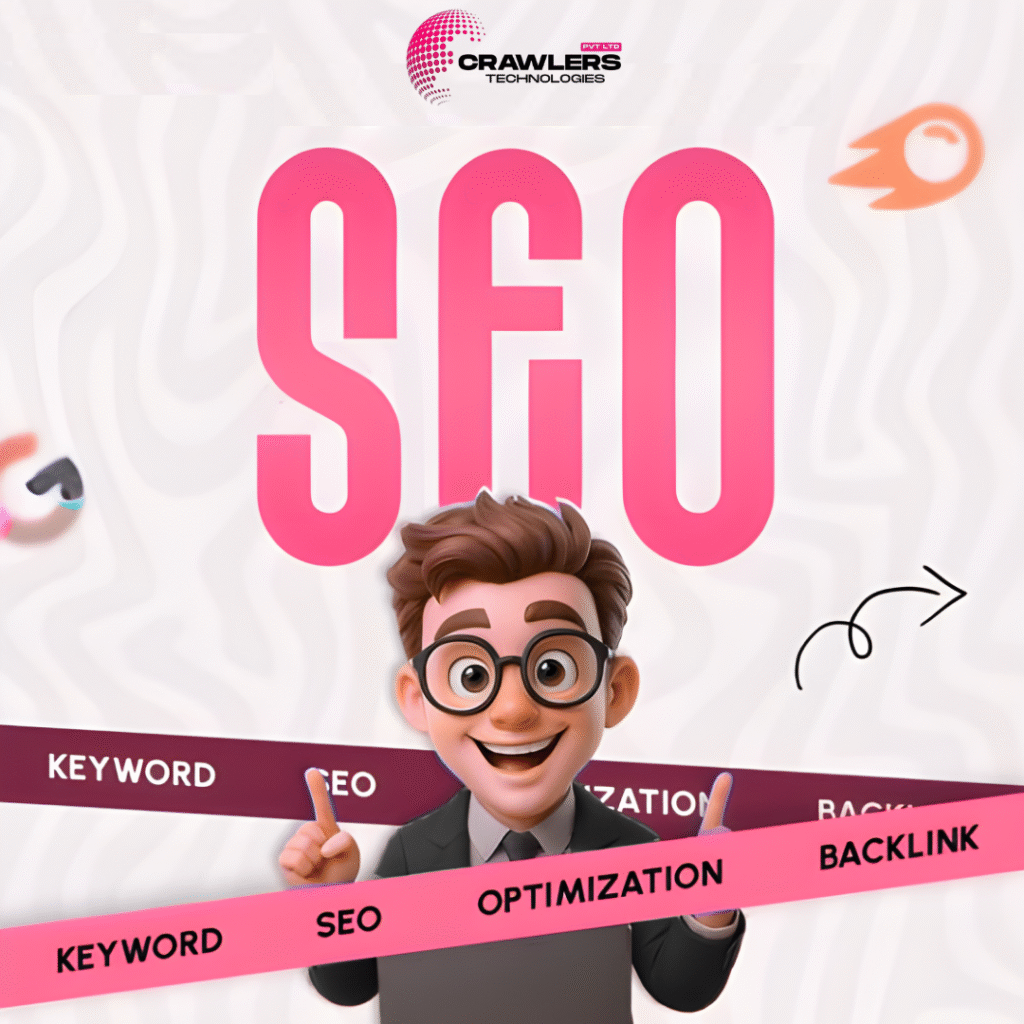
How Much Does It Cost to Build a Mobile App in India in 2026?

The Truth Nobody Tells You — Until Now 🧠 Before We Talk Numbers — Ask Yourself This Every founder, entrepreneur, or business owner who ever built an app started in the same place you are right now. Excited. A little nervous. And completely unsure whether their idea was worth the investment. Here’s the uncomfortable truth: the wrong question to ask is “How much does an app cost?” The RIGHT question is: “How much is NOT building this app costing me every single day?” Think about it. Every day without your app is a day your competitor gets a step ahead. A day customers go elsewhere. A day revenue leaks through the cracks of a broken process. Now that we’ve reframed your mindset — let’s give you the real numbers. 📊 The Indian App Market in 2026: Why Timing Is Everything India is now the world’s second-largest smartphone market with over 900 million active users. India’s app economy crossed ₹2.5 lakh crore in 2025. Investors poured billions into Indian tech startups — and the #1 thing they look for? A working app. Here’s the psychological trigger most founders miss: “The best time to build your app was 2 years ago. The second best time is TODAY.” Every month you delay, the market gets more crowded. Your idea gets less unique. Your opportunity gets smaller. 💰 Real App Development Costs in India — 2026 Edition Let’s strip away the vague ranges and give you actual, honest pricing based on what Indian development agencies are charging right now in 2026. Tier 1: Simple Apps (Basic MVP) App Type Cost (INR) Timeline Basic CRUD App ₹1,50,000 – ₹4,00,000 4–8 Weeks Informational / Brochure App ₹80,000 – ₹1,50,000 2–4 Weeks Basic E-Commerce App ₹2,00,000 – ₹5,00,000 6–10 Weeks Tier 2: Medium Complexity Apps App Type Cost (INR) Timeline On-Demand Service App (Uber-style) ₹5,00,000 – ₹12,00,000 3–6 Months Social Networking App ₹6,00,000 – ₹15,00,000 4–7 Months Healthcare / Telemedicine App ₹7,00,000 – ₹18,00,000 4–8 Months EdTech / E-Learning App ₹5,00,000 – ₹14,00,000 3–6 Months Tier 3: Complex / Enterprise Apps App Type Cost (INR) Timeline AI-Powered App ₹15,00,000 – ₹50,00,000+ 6–12 Months FinTech / Payment App ₹20,00,000 – ₹60,00,000+ 8–14 Months Full ERP / SaaS Platform ₹25,00,000 – ₹1,00,00,000+ 10–18 Months ⚡ Pro Tip: 90% of successful apps started as a Tier 1 MVP. They validated the idea first, then scaled. 🔍 The 7 Things That Actually Determine Your App’s Cost Quotes vary wildly because most agencies won’t explain what drives the price. Here’s the real breakdown: ✔  Platform Choice: Building for iOS only? Android only? Or both? Cross-platform (Flutter/React Native) can cut costs by 40%. ✔  Number of Features: Every screen, every button, every API call costs time. Time costs money. ✔  Backend Complexity: Does your app need a server? Database? Real-time sync? These multiply cost fast. ✔  Third-Party Integrations: Payment gateways (Razorpay, Stripe), maps, chat, notifications — each adds days of work. ✔  UI/UX Design Quality: Average design vs. premium design is the difference between a product users love and one they delete. ✔  Team Location: A Tier-1 city agency charges 2–3x more than an equally skilled Tier-2 city partner (like Hubli). ✔  Post-Launch Support: Don’t forget maintenance. Apps need updates, bug fixes, and scaling support — budget 15–20% of build cost annually. 🚫 The Dangerous Illusion of the “Cheap App” A client once hired a ₹30,000 freelancer to build their food delivery app. The app crashed every time 10 users logged in simultaneously. The freelancer had disappeared. No source code. No documentation. The client spent ₹8,00,000 to rebuild it from scratch — and lost 6 months of market timing. That ₹30,000 “saving” cost them ₹8,00,000 + 6 months. This is called the False Economy Trap. And thousands of Indian entrepreneurs fall into it every year. Cheap apps fail because: ✔  No proper architecture — they can’t scale ✔  No security — user data is at risk ✔  No documentation — you’re held hostage by one developer ✔  No testing — bugs destroy your reputation and your Play Store ratings The psychological pain of losing ₹30,000 feels smaller. But the actual cost? Catastrophic. 🇮🇳 Why India (Specifically Tier-2 Cities) Is Your Unfair Advantage Global brands like Google, Microsoft, Amazon, and Apple all have massive R&D centers in India — not because it’s cheap, but because Indian talent is world-class. But here’s the insider secret: Tier-2 city agencies like those in Hubli, Pune, Indore, and Coimbatore deliver the same quality as metro agencies at 30–50% lower cost — because their overhead is lower. Comparison: Same App, Different Locations 🇺🇸 US Agency: ₹80,00,000+ 🏙️ Bangalore/Mumbai Agency: ₹20,00,000–₹35,00,000 🌟 Tier-2 City Expert Agency (e.g., Hubli): ₹8,00,000–₹18,00,000 — Same quality. Better value. ⚠️ Hidden Costs That Will Shock You (If You’re Not Prepared) Most agencies quote only the build cost. Here’s what they don’t mention upfront: ✔  App Store Fees: Google Play costs ₹2,000 (one-time). Apple App Store costs $99/year (~₹8,300/year). ✔  Server / Cloud Hosting: AWS/GCP/Azure: ₹5,000–₹50,000/month depending on traffic. ✔  Third-Party API Costs: SMS OTPs (₹0.10/message), Payment gateway (2% per transaction), Maps API, Push notifications. ✔  Annual Maintenance: Budget 15–20% of your build cost annually for updates and bug fixes. ✔  Marketing & ASO: Building the app is 50% of the job. Getting users is the other 50%. Total Cost of Ownership (TCO) is always higher than the development quote. A responsible agency tells you this upfront. Beware those who don’t. ✅ How to Choose the Right Development Partner (Without Getting Burned) Here’s a quick checklist to protect your investment: ✔  Ask to see 3+ live apps they’ve built — not mockups, actual working products ✔  Demand a detailed, itemized quote — not a round number ✔  Check if they provide a signed NDA and IP ownership clause ✔  Ask what tech stack they use and WHY (they should justify every choice) ✔  Verify post-launch support policy — what happens if there’s a bug in Month 4? ✔  Look for reviews on Google, Clutch, or

demo, DEVELOPMENT

🔍 What is SEO and Why Your Business Needs It ?

In today’s digital world, simply having a website is not enough. If your potential customers cannot find your business on Google, your website is practically invisible. This is where SEO (Search Engine Optimization) plays a crucial role. SEO helps your website rank higher on search engines, attract the right audience, and generate consistent business growth. Let’s understand what SEO is and why your business truly needs it. 🌐 What is SEO? SEO (Search Engine Optimization) is the process of improving your website’s visibility on search engines like Google. When someone searches for: “Best web development company near me” “Digital marketing services in Hubli” “E-commerce website development” SEO helps your website appear at the top of search results. The higher your ranking, the more traffic your website receives. ⚙️ How SEO Works SEO works by optimizing different elements of your website, including: ✅ On-Page SEO Keyword optimization Quality content Proper headings and structure Image optimization Internal linking ✅ Off-Page SEO Backlinks from trusted websites Social media signals Brand mentions ✅ Technical SEO Fast website loading speed Mobile responsiveness Secure HTTPS connection Proper site structure All these factors help search engines understand your website better and rank it higher. 🚀 Why Your Business Needs SEO 1️⃣ Increases Website Traffic Most users click on websites that appear on the first page of Google. SEO helps you reach that position and drive organic traffic. 2️⃣ Builds Credibility & Trust People trust search engines. If your business appears at the top, customers automatically see you as more reliable and professional. 3️⃣ Generates Quality Leads SEO brings users who are actively searching for your services. This means higher chances of converting visitors into customers. 4️⃣ Cost-Effective Marketing Strategy Unlike paid ads, SEO provides long-term results. Once your website ranks well, you continue receiving traffic without paying for every click. 5️⃣ Gives Competitive Advantage Your competitors are investing in SEO. If you ignore it, they will capture your market share. Ranking higher means more visibility, more inquiries, and more sales. 📱 SEO Supports Local Business Growth Local SEO helps businesses appear in: Google Maps “Near me” searches Local service searches If you serve customers in specific cities, local SEO is extremely powerful for attracting nearby clients. 💡 Final Thoughts SEO is not just about ranking — it is about growth, visibility, and long-term success. A strong SEO strategy helps your business: ✔ Increase online visibility✔ Attract targeted customers✔ Build brand authority✔ Generate consistent leads✔ Grow sustainably If you want your website to work as a 24/7 lead generation machine, investing in SEO is essential. Submit your request Recent Post What Is Custom Software?
DEVELOPMENT

Professional Website Development: Build Your Digital Presence in 2026

🚀 Why Your Business Needs a Professional Website A professional website: ✔ Builds brand credibility✔ Attracts potential customers✔ Showcases your services clearly✔ Improves search engine visibility✔ Increases conversions and sales Your website is often the first impression customers have of your brand. A poorly designed website can reduce trust instantly. 🛠️ Our Website Development Services 1️⃣ Custom Web Application Development Every business is unique. Custom web applications help automate operations, manage customers, and improve workflow efficiency. Custom solutions give you: Scalable architecture Secure systems Faster performance Business-specific functionality 2️⃣ Website Maintenance & Support A website needs regular updates and monitoring. Professional maintenance ensures: Bug fixes Security updates Performance optimization Regular backups This keeps your website safe and running smoothly. 3️⃣ Web Analytics & Reporting Understanding user behavior is key to growth. With analytics integration, you can: Track visitor activity Measure campaign performance Improve conversion rates Make data-driven decisions Data helps you grow smarter. 4️⃣ E-Commerce Development Want to sell products online? A professionally built e-commerce website offers: Secure payment gateway integration Inventory management User-friendly checkout Mobile-optimized shopping experience Your online store should be fast, secure, and conversion-focused. 5️⃣ SEO Optimization A beautiful website is useless if no one finds it. SEO ensures: Higher Google rankings Increased organic traffic Better visibility in local searches Long-term lead generation Search Engine Optimization helps your business grow consistently. 📱 Mobile-Responsive & Performance-Driven Modern websites must: Load in under 2 seconds Work perfectly on all devices Offer smooth navigation Deliver engaging user experiences Speed + Design + Strategy = Digital Success. 💡 Build a Website That Works as Hard as You Do Your website should not just look good — it should generate business. Whether you need: A business website A custom web application An e-commerce store SEO optimization Investing in professional website development is investing in your company’s future. 📞 Ready to Build Your Digital Presence? Let your website become your strongest marketing tool. Contact today and start building a website that works 24/7 for your business. 🚀 Submit your request Recent Post

DEVELOPMENT

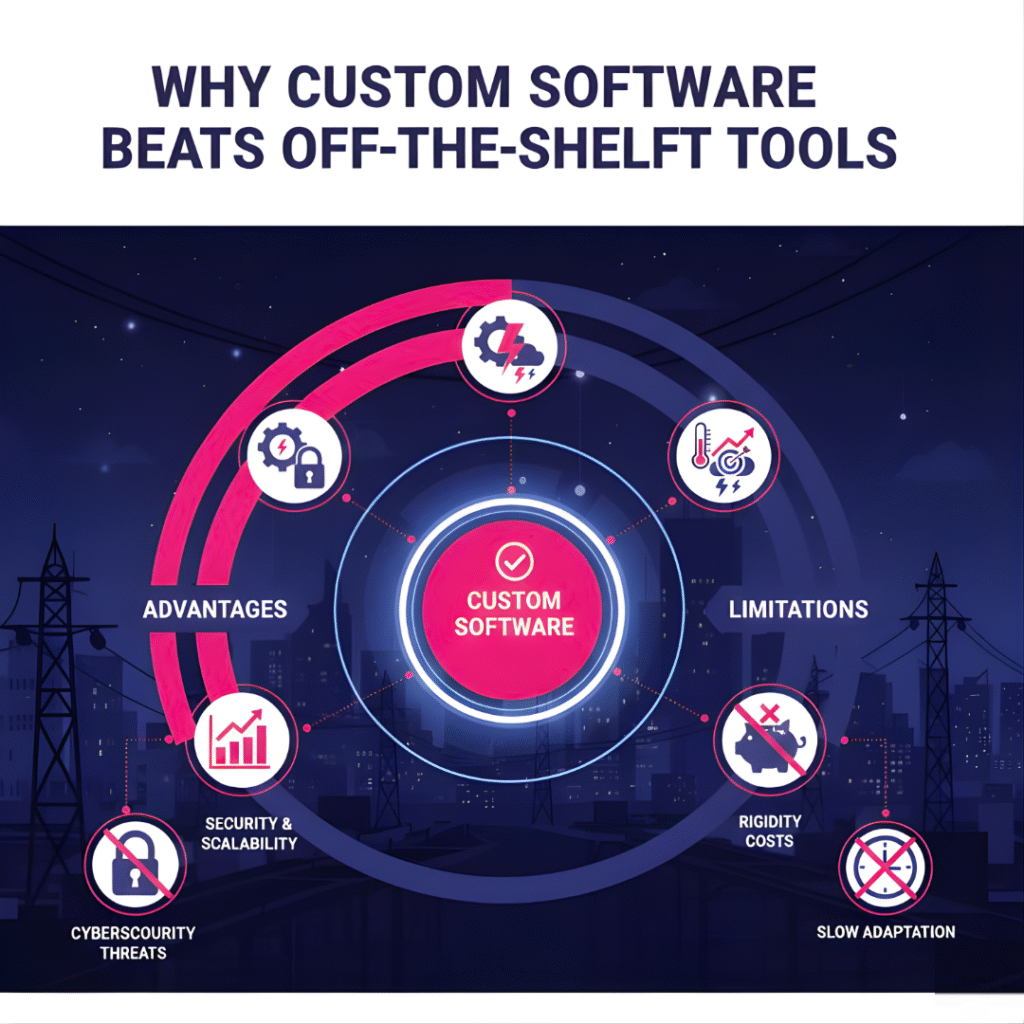
Why Custom Software Is Better Than Off-the-Shelf Solutions

Meta Description: Discover why custom software is better than off-the-shelf solutions for businesses seeking scalability, security, and tailored performance. Learn the key benefits today! In today’s competitive digital world, choosing the right software solution is critical to your business success. Whether you’re a startup or a growing enterprise, you’ll likely face the dilemma of choosing between custom software and off-the-shelf solutions. While pre-built software might seem convenient and cost-effective initially, custom software offers long-term advantages that can significantly boost efficiency, performance, and ROI. Let’s explore why custom software development is a better investment than relying on generic off-the-shelf products. What Is Custom Software? Custom software is a tailored solution developed specifically for your business needs. It is designed, developed, and deployed to match your workflows, goals, and processes. Examples include custom CRMs, inventory management systems, or mobile apps built from scratch. What Is Off-the-Shelf Software? Off-the-shelf software is a pre-built application designed for broad, general-purpose use. Examples include Microsoft Office, QuickBooks, and Shopify. While convenient, these tools are designed for the mass market, not for your unique requirements. 1. Tailored to Your Business Needs Custom software is built around your specific processes, goals, and user behavior. It adapts to your workflow instead of forcing your team to adapt to the software. ✅ SEO Keywords: custom software tailored solutions, business-specific software 2. Scalability and Flexibility As your company expands, your software must evolve to keep pace.. Custom software can be easily scaled, updated, or modified to meet evolving requirements—unlike off-the-shelf products, which often lack flexibility. ✅ SEO Keywords: scalable software solutions, flexible business software 3. Better Integration with Existing Systems Custom software can seamlessly integrate with your existing platforms—CRM, ERP, accounting tools, etc.—saving time and preventing data silos. Off-the-shelf products often require expensive plugins or don’t integrate well at all. ✅ SEO Keywords: software integration, business system compatibility 4. Enhanced Security With cyber threats rising, security is non-negotiable. Custom software includes advanced, business-specific security features and is less likely to be targeted than mass-market software. ✅ SEO Keywords: secure custom software, business data protection 5. Long-Term Cost Efficiency While the initial cost of custom software may be higher, the long-term savings from automation, fewer third-party licenses, and reduced inefficiencies often outweigh the upfront investment. ✅ SEO Keywords: software ROI, cost-effective software solutions 6. Competitive Advantage Custom software can help you implement unique features, optimize operations, and deliver a better customer experience. These factors set you apart from competitors using generic tools. ✅ SEO Keywords: competitive edge with software, custom features for business 7. Full Ownership and Control When you invest in custom software, you own the code and the data. This gives you complete control over updates, features, hosting, and data storage—something off-the-shelf providers don’t offer. ✅ SEO Keywords: software ownership, business software control Final Thoughts Choosing custom software development gives your business the power to innovate, automate, and scale effectively. It’s a strategic investment in your long-term growth, offering tailored functionality, better integration, and higher ROI than off-the-shelf alternatives. If you’re ready to build a solution that works for you, not the other way around, consider partnering with a trusted custom software development company. Submit your request Recent Post

DEVELOPMENT

Top 10 Features Every Business App Must Have

In today’s fast-paced digital world, having a mobile app is no longer a luxury for businesses—it’s a necessity. A well-designed business app not only streamlines operations but also enhances customer engagement, boosts sales, and builds brand loyalty. But what makes a business app truly successful? It all comes down to its features. Whether you’re building an app for your startup, small business, or enterprise, here are the top 10 must-have features your business app needs to stay competitive and user-friendly in 2026 and beyond. 1. User-Friendly Interface (UI/UX) Your app’s design is the first impression users will have. A clean, intuitive, and responsive user interface ensures smooth navigation and boosts user retention. Focus on minimalist design, easy access to key functions, and quick onboarding. SEO Tip: Use keywords like user-friendly business app, mobile app UI/UX design, intuitive app interface. 2. Multi-Platform Compatibility Your business app should be available on both iOS and Android platforms. Consider building cross-platform apps using Flutter or React Native to maximize reach and maintain a consistent user experience. 3. Robust Security Features With increasing cyber threats, app security is non-negotiable. Features like data encryption, two-factor authentication (2FA), and secure APIs protect sensitive information and build user trust. 4. Push Notifications Push notifications are an effective way to keep users engaged, informed, and coming back. Use them to send promotions, reminders, updates, or new feature announcements, but avoid spamming. SEO Tip: Target keywords like push notification strategy, customer engagement features. 5. Offline Functionality Allowing your app to function even without an internet connection is a game-changer, especially for field service, logistics, or inventory-based businesses. Offline access improves usability and user satisfaction. 6. In-App Payments & E-commerce Integration If you’re selling products or services, secure in-app payments are essential. Integrate popular gateways like Stripe, PayPal, or Razorpay, and ensure a seamless checkout process. 7. Analytics & Reporting Tools Data is key to business growth. Integrate tools that provide real-time analytics, user behavior insights, and conversion metrics. This helps in data-driven decision-making and continuous improvement. 8. Chat & Customer Support Integration Whether it’s a live chat, chatbot, or in-app messaging, quick customer support boosts satisfaction and loyalty. Integrate tools like Zendesk, Intercom, or WhatsApp API for real-time assistance. 9. Social Media Integration Allow users to log in via Facebook, Google, or Apple ID, and enable easy sharing of content or promotions. Social integration enhances user experience and increases your app’s visibility. 10. Regular Updates and Scalability Your business app should be built to scale with your company’s growth. Ensure you can easily roll out feature updates, fix bugs, and expand functionality without major overhauls. SEO Tip: Use terms like scalable business app, future-proof app features. Final Thoughts Developing a business app is a strategic move that can elevate your brand and customer experience. By including these 10 essential features, you’re not just building an app—you’re creating a digital extension of your business that can grow and evolve with your audience. Looking to build a high-performance business app with all the right features? Contact us today to get started with a custom mobile app development solution tailored to your business needs.   Submit your request Recent Post

DEVELOPMENT

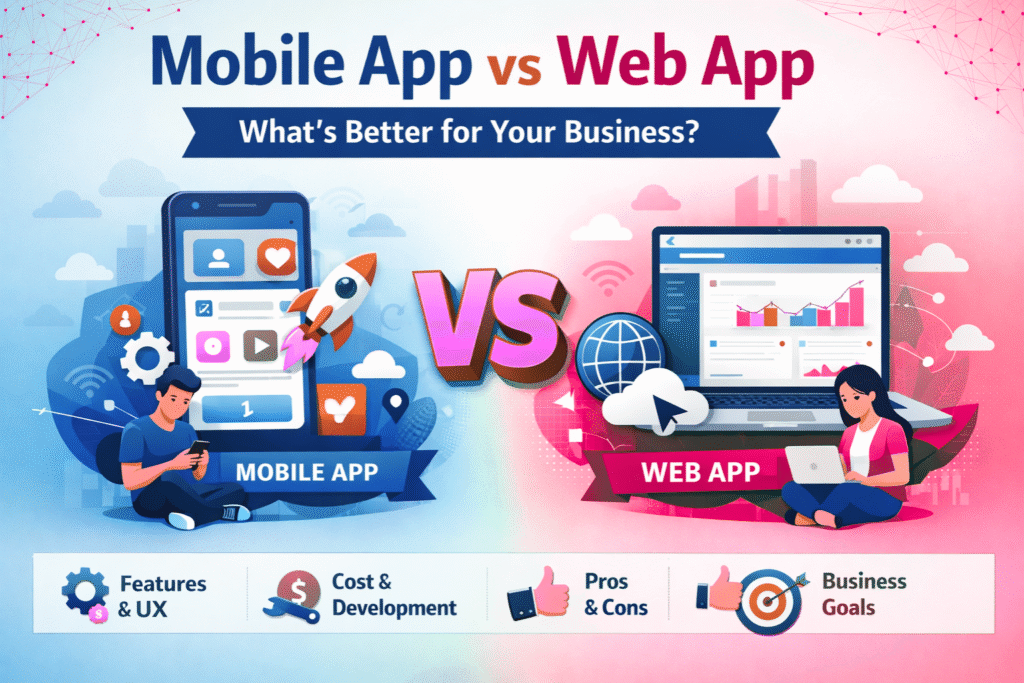
Mobile App vs Web App: What’s Better for Your Business?

In today’s digital-first world, choosing the right platform for your business is more critical than ever. Whether you’re a startup or an established enterprise, deciding between a mobile app and a web app can have a major impact on user engagement, development costs, and long-term success. So, what’s the better option for your business — a mobile app or a web app?   Let’s break down the differences, benefits, drawbacks, and how to choose the right one for your specific business goals.   What is a Mobile App? A mobile app is a software application developed specifically for smartphones and tablets. It is downloaded and installed via app stores like Google Play or the Apple App Store. Mobile apps can run natively (built for a specific platform like iOS or Android) or use cross-platform frameworks such as Flutter or React Native. ✅ Pros of Mobile Apps: Faster Performance: Native apps offer smoother performance and better speed. Offline Access: Many features work without internet connectivity. Better User Experience: Offers rich and responsive UI/UX. Push Notifications: Great for re-engagement and real-time communication. Device Integration: Access to GPS, camera, sensors, and other phone features. What is a Web App? A web app is a responsive website that behaves like an app but runs in a web browser. It doesn’t need to be downloaded or installed, making it accessible on any device with an internet connection. ✅ Pros of Web Apps: Cross-Platform Compatibility: Works across all devices and browsers. No Installation Needed: Users can access it instantly without downloads. Easier Maintenance: Updates are reflected instantly across all users. Cost-Effective: Faster and cheaper to develop and maintain. SEO Friendly: Indexed by search engines for better online visibility. ❌ Cons of Web Apps: Limited Offline Functionality: Requires a stable internet connection. Lower Performance: May not perform as well as native apps. Restricted Device Features: Limited access to phone-specific features. Less Engaging UX: May not feel as immersive as a native app. Mobile App vs Web App: A Quick Comparison Feature Mobile App Web App Installation Required Not required Platform Dependency iOS/Android specific Runs in browser Performance High (native) Moderate Offline Access Yes (native features) Limited Development Time & Cost Higher Lower User Experience (UX) Rich and engaging Basic to moderate Maintenance Needs frequent updates Easy, centralized updates Discoverability (SEO) Not indexed by Google SEO friendly   The answer depends on several factors in cluding your business goals, budget, target audience, and desired features. Choose a Mobile App if: You want a high-performance app with rich user interactions. You need offline functionality and push notifications. Your business depends on frequent user engagement (e.g., e-commerce, fitness, finance apps). Choose a Web App if: Your goal is to reach a wider audience quickly. You’re working with a limited budget. You want to provide instant access without app store hurdles. Your product or service is content-driven or SEO focused. Can You Have Both? Absolutely! Many successful businesses develop web apps first to validate their ideas, then invest in mobile apps once they’ve built a user base. Alternatively, you can explore Progressive Web Apps (PWAs), which combine the best of both worlds — offering app-like experiences in a browser.   Final Thoughts There is no one-size-fits-all answer. Your ideal solution depends on what aligns best with your business objectives, customer needs, and technical capacity. Whether you choose a mobile app, a web app, or both — make sure the user experience is seamless and the value proposition is clear. Need help deciding or developing your app? Contact our team of experts today for a free consultation.   Submit your request Recent Post

Scroll to Top