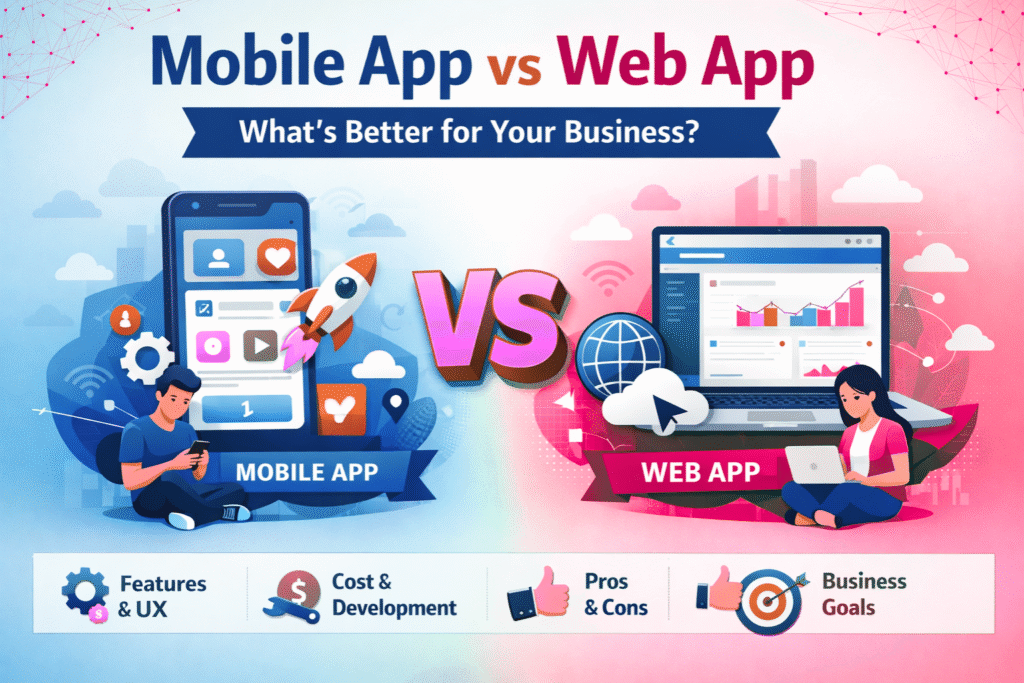
Mobile App vs Web App: What’s Better for Your Business?
In today’s digital-first world, choosing the right platform for your business is more critical than ever. Whether you’re a startup or an established enterprise, deciding between a mobile app and a web app can have a major impact on user engagement, development costs, and long-term success. So, what’s the better option for your business — a mobile app or a web app?
Let’s break down the differences, benefits, drawbacks, and how to choose the right one for your specific business goals.
What is a Mobile App?
A mobile app is a software application developed specifically for smartphones and tablets. It is downloaded and installed via app stores like Google Play or the Apple App Store. Mobile apps can run natively (built for a specific platform like iOS or Android) or use cross-platform frameworks such as Flutter or React Native.
✅ Pros of Mobile Apps:
Faster Performance: Native apps offer smoother performance and better speed.
Offline Access: Many features work without internet connectivity.
Better User Experience: Offers rich and responsive UI/UX.
Push Notifications: Great for re-engagement and real-time communication.
Device Integration: Access to GPS, camera, sensors, and other phone features.
What is a Web App?
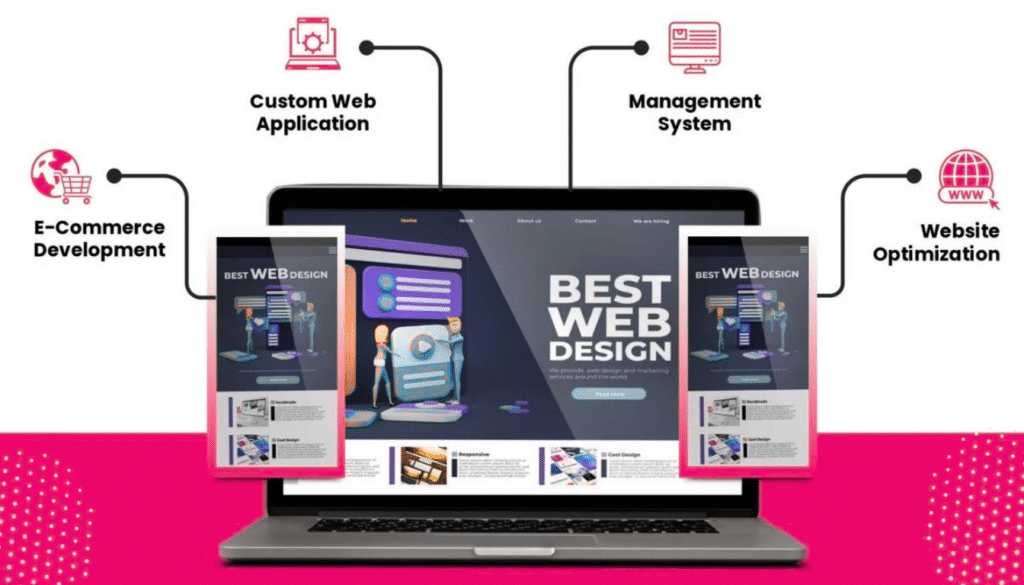
A web app is a responsive website that behaves like an app but runs in a web browser. It doesn’t need to be downloaded or installed, making it accessible on any device with an internet connection.
✅ Pros of Web Apps:
Cross-Platform Compatibility: Works across all devices and browsers.
No Installation Needed: Users can access it instantly without downloads.
Easier Maintenance: Updates are reflected instantly across all users. Cost-Effective: Faster and cheaper to develop and maintain.
SEO Friendly: Indexed by search engines for better online visibility.
❌ Cons of Web Apps:
Limited Offline Functionality: Requires a stable internet connection.
Lower Performance: May not perform as well as native apps.
Restricted Device Features: Limited access to phone-specific features.
Less Engaging UX: May not feel as immersive as a native app.
Mobile App vs Web App: A Quick Comparison
Feature
Mobile App
Web App
Installation
Required
Not required
Platform Dependency
iOS/Android specific
Runs in browser
Performance
High (native)
Moderate
Offline Access
Yes (native features)
Limited
Development Time & Cost
Higher
Lower
User Experience (UX)
Rich and engaging
Basic to moderate
Maintenance
Needs frequent updates
Easy, centralized updates
Discoverability (SEO)
Not indexed by Google
SEO friendly
The answer depends on several factors in cluding your business goals, budget, target audience, and desired features.
Choose a Mobile App if:
You want a high-performance app with rich user interactions.
You need offline functionality and push notifications.
Your business depends on frequent user engagement (e.g., e-commerce, fitness, finance apps).
Choose a Web App if:
Your goal is to reach a wider audience quickly.
You’re working with a limited budget.
You want to provide instant access without app store hurdles.
Your product or service is content-driven or SEO focused.
Can You Have Both?
Absolutely! Many successful businesses develop web apps first to validate their ideas, then invest in mobile apps once they’ve built a user base. Alternatively, you can explore Progressive Web Apps (PWAs), which combine the best of both worlds — offering app-like experiences in a browser.
Final Thoughts
There is no one-size-fits-all answer. Your ideal solution depends on what aligns best with your business objectives, customer needs, and technical capacity. Whether you choose a mobile app, a web app, or both — make sure the user experience is seamless and the value proposition is clear.
Need help deciding or developing your app? Contact our team of experts today for a free consultation.